Ep20 Marc Aixalà—Healing From the Inside Out, Shadow Work, and the Answers Already Inside You
What if the most important thing a psychedelic experience could ever show you... is that you already have everything you need?
That's the quiet power running through this conversation between Dr. Sandra Dreisbach and Marc Aixalà — psychologist, Holotropic breathwork facilitator, co-founder of the ICEERS Integration and Support Service, and author of one of the most grounded, respected books on psychedelic integration available today.
Marc has supported over 1,000 cases through the ICEERS support line. He's spent years training psychedelic therapists, working within psilocybin clinical trials in Barcelona, and developing integration models that actually give people their power back — rather than creating new dependencies on systems, substances, or practitioners.
And in this conversation, he and Dr. Sandra bring their combined experience to some of the questions that don't always get asked.
How do you actually define integration in a way that serves your unique journey — not someone else's protocol?
Why does beginning with the end in mind matter not just before an experience, but long after it?
How do you approach challenging visions, shadow material, and the voice of plant medicine without losing your own discernment in the process?
What does it really look like when healing is led from the inside out... rather than handed to you by an expert?
Marc also shares the story of how it all began — a heartbroken engineering student reading books in his mother's pharmacy basement, discovering that psychedelics opened something in him that no career path had touched. How Holotropic breathwork gave him the backbone to make sense of scattered experiences. And why the mentors who showed up along the way may have shaped him more than any technique or training ever could.
Dr. Sandra brings her background in philosophy, moral psychology, and years of integration training to this conversation — asking with genuine curiosity about parenthood, identity shifts, the danger of over-medicalizing psychedelics, and what it means to truly know yourself before you ask any medicine to show you more.
This isn't a clinical overview. It's a real conversation about healing, meaning, community, and the stories we tell ourselves — and what happens when we finally learn to read them differently.
If you've had an experience — psychedelic or otherwise — that's still living in you unresolved, this episode is worth your full attention.
Marc Aixalà 0:00
And that's how psychedelics work. Psychedelics and tell you go to the expert that will solve things you know. Psychedelics show you that there are answers inside of you, and actually good answers, and that if we provide the conditions our bodies, our psyches, they naturally move towards a more integrated or to healing.
Dr. Sandra Dreisbach 0:18
Welcome to inner source. I'm Dr Sandra Dreisbach. Whether you're just beginning to explore your inner landscape or you've been doing this work for years and understand that transformation is a lifelong journey. This is your space. We're diving into real conversations about personal growth, Shadow Work, and what it actually takes to create lasting change from the inside out, because the truth your most powerful healing tool isn't out there somewhere, it's already within you. Let's connect to that inner source together.
Speaker 1 0:56
The information shared on this podcast, our website and other platforms may be triggering for some viewers and readers, and readers and is for informational, educational and entertainment purposes only. It is not a substitute for professional medical, legal or therapeutic advice. While we explore topics related to altered states of consciousness, we do not endorse or encourage illegal activities or substance use. Always research your local laws and consult qualified professionals for guidance. The content provided is as is, and we are not liable for any actions taken based on the information shared. Stay supported and informed. Act responsibly and enjoy the podcast.
Dr. Sandra Dreisbach 1:26
In this episode of inner source, I have the honor pleasure of speaking with Mark from ice ears. He actually has over 1000 clients he's seen, or cases at least he's addressed as a part of being in I see your support line, and if you are familiar with I see yours, you should definitely check it out. I'll let I'll let him describe it more in in this episode. But one of the things I really appreciate about Mark is his ability to really bridge the wisdom of psychotherapy into healing and transformation and integration. He also has a book, if you haven't checked it out, also, I would highly recommend it. It's one of the pieces that I had looked to at integration before I even took additional integration training and and I have, I'll admit, I think I maybe even say it in this episode that I took integration training through the icierge program, and it's, it's offered now, both in Spanish and English. Really phenomenal. And I've been through multiple integration trainings, but I really appreciate the grounded informed basis in which these teachings and his insights and his wisdom comes from. And there are a few people I feel like it can point to, can really have a sense of their inner source when it comes to building that integration, not just from a sort of intellectual, theoretical sort of lens, but from real practice, from real lived experience, and also from, you know, the world of psychedelics. You know, both recreationally as well as therapeutically, is a real pleasure and real treat to talk with Mark. And hope you enjoyed this episode of inner source. Well, welcome Mark. It's such a pleasure and a privilege to have you here on the podcast. And I know we've introduced you a little bit before the show, but is there anything you would like in your own words to say about you know, who are you? What are you focused on in this space?
Marc Aixalà 3:43
Thank you, Sandra for the invitation. It's a pleasure to be here and reconnect. And that's a very interesting question, not the one that gets answered very often. That's something that I feel that is changing, which changes for all of us, I guess, how we perceive ourselves or our life. But it's true that in the last couple of years, that change has been more noticeable for me. I've been a father for a second time three months ago. So so I identify very much as a father, as a provider for my family and source of supports, income and stability, you know, which is something that a new experience for me been working mostly for myself. You know, like in my interests, my career has been very much driven my my interest. And when I wanted to do a job, I tried to do it. And when I wanted to stop my job, I stopped it. So I felt quite free in that regard. But nowadays, I see that my kids and my family are the priority, and my job is becoming like a tool or something on a second, on the back burner, and I'm still trying to get used to that, you know? So I would say that my identity is somehow blurred compared to how it used to be, let's say four or five years ago, yeah. Well, I
Dr. Sandra Dreisbach 4:58
love that, because. Of your work in integration, because you're really literally speaking about like an identity shift, right? You're speaking to a shift and how you see yourself, or your role in the world, or your role in relationship. And it's literally because of relationship that it's shifted. And I am curious about it, because we're both parents, and I don't probably talk enough about being a parent and how that's changed me as a person, and I think it really changes all of us, you know, and all of our relationships define us. You know, one thing that comes up for me when thinking about psychedelic work sometimes is that a lot of people don't think about beginning with the end in mind, like, what kind of where do they, where they see themselves, you know, becoming, even though, I mean, yeah, we talk about intentions and and a sense of, like, okay, healing or transformation, but there isn't often a sense of of what, what that really looks like before they begin, that I feel that sometimes people feel even more extra lost when they've when they when they think they've reached the other side, although I think that's an illusion too. So I'm curious, since you're in this identity shift, like, how do you see how is that show up for you now, given your work in integration and in the psychedelic space,
Marc Aixalà 6:21
yeah, it is true that many times people don't start in the psychedelic path with the end in mind, or we forget the end quite early on as we start the journey. Yeah, there might be something that causes us to start the transformational journey through psychedelics, through meditation, through non ordinary states, and sometimes these really heart opening, enlightening, impressive experiences shift the focus towards something else, and then we forgot what we were doing here, what we were working on. And although that can be interesting, sometimes it is not the best approach if one is looking for certain results. So if you don't know where you're going, it's unlikely that you will get there. And sometimes with psychedelics, we can get lost in the path. Although I think that there's nothing wrong with using psychedelics without an end in mind, psychedelics can be tools for exploration, for recreation, for enjoyment, for connection, and the experience in itself can be something valuable. Yeah, my concern would be more when we start mixing concepts. Am I using this for therapy? Am I using it for transformation? Am I using it for recreation? Because then sometimes we pretend that we're doing a spiritual work when basically we're just trying to get high. You know, nothing wrong with getting high, but
Dr. Sandra Dreisbach 7:44
no, and I love that you bring this up, because I think we do tend to mix purposes, right? We do tend to and then, I'm not saying it has to fit neatly into any box. As a philosopher, I'm not going to necessarily be so tempted to do that. Maybe we could talk a bit about your journey, like, how did you come into relationship originally, with this work, right? You know, was it because of your own personal transformation? Was it primarily recreational?
Marc Aixalà 8:09
Well, I would guess that that's also an example of mixture of purposes, yeah, although I have to say that my that my first interest in in psychedelics once, after a period in my life in which I was struggling and suffering, you know, there was a relationship that had ended unexpectedly. All of a sudden, I had a lot of free time not to be spent with a lot of joy, you know. And was maybe the early days of the Internet, when information was available, so I spent some hours reading. I came across some websites, Hero it, blue light forums, you know, and that caught my interest. So I spent really significant amount of time just being a geek and reading and getting a lot of information, then going to the library, getting some books, reading books in the basement of my mom's pharmacy, she had books about plants and stuff, so I spent a lot of time reading before I decided to have any experience. And the way that I approached that experience was something that would help me overcome that heartbreak that I was that I was feeling, you know, and something that would help me move into a next phase of my life. And of course, I was soon to discover that it worked, but it was not the miracle that I was expecting. You know, was definitely an experience that made me kind of be in a turning point. But after that, there was still work to be done. You know, there were still things to be worked through and the healing path was not straightforward. I would say that, yes, that experience helped me to move forward, to get into a new stage in my life. But then something else opened up, and I was starting to be an engineer. Back then, I ended up being an engineer, but psychedelics opened. And other venues inside of myself, and other interests that made me reconsider what my vocation, what my passion in life was, and then it was a mixed journey of recreation, self, kind of personal work, and also trying to find a path towards what I want to do in my life? What do I want to bring to the world? What kind of job do I want to do? What we're doing to create? So I would say that what really shifted my relationship with non ordinances of consciousness was Holotropic breathwork. My psychedelic journeys have been a mixture of spiritual journeys, recreational journeys, kind of personal growth journeys, but breath work gave me somehow the backbone to put those experiences together and feel that I was on a path, and that that path was actually going somewhere, and that's how I could decide to study psychology, to become a breath work facilitator. And then everything started to come into place. So that was some, somehow, an integration of scattered experience that I have had in different contexts that started to making sense and created a path for me. Oh, I
Dr. Sandra Dreisbach 11:11
love that. I love that that, you know, I mean, you can even see like, you know, the the initial Touchstone being the sort of relationship breakup, right? The transformation really had begun working with psychedelics. Was a part of the journey, but then it opened you up to other processes, like Holotropic breath work, other ways of thinking about yourself, other ways of doing work in the world. And then, as you continued on right, then you actually, literally shifted what your work was, and how, and how would you describe? What do you do like, when someone comes up to you at a recreational event that you know, not involved in psychedelics, you know, they're like, oh, you know, Oh, you're so and so's father, oh, you know, what do you do for a living? What do
Marc Aixalà 11:50
you say? So my first answer is that I'm a psychologist, because it's true. So most of my hours during the week are devoted to seeing people, some of that is related to psychedelics and integration. A lot of it is not, you know. So I treat human suffering, anxiety, depression, couples therapy, so normal sort of therapy. So that's my, my main job. And then, of course, and I'm specialized in working in non organized state of consciousness. So I do Holotropic breath work retreat and also train people in Holotropic breath work. And in these last years, I've been very much involved in clinical trials with psilocybin in Barcelona. So I've been training psychedelic therapists, working as a therapist in clinical trials, mentoring psychedelic therapists, and that's been an important part of my job. So mostly I'm a psychology psychotherapist, and then I also have a teaching part, yeah,
Dr. Sandra Dreisbach 12:46
and in all full disclosure, like I've, we've had the opportunity to work together, and me being receiving your teaching work and learning from you around integration and and I do want to say that I really enjoyed that the I series Integration Course, and I would highly recommend people check it out and try it out, but maybe. But I want to go back a little bit to something you mentioned about your mother. You said she was a pharmacist. So could you tell me a little bit about her? Like, when you also mentioned plant. So what you know, I am definitely American. So, like, what my idea of what that is may be different from what it is in Spain. And I'm assuming you were born in Spain, but I don't know that. So some just kind of curious, you know, you know, especially given psychedelics and given relationships with plants and plant medicines, is very much of interest. And with iseers, in particular, defending indigenous and First Nations use of plant medicines. Where did you start having that sort of respect?
Marc Aixalà 13:47
I think it was something that built up slowly and progressively. But some of my most fond memories from childhood are in my mom's pharmacy basement. You know, like there was like two story pharmacy, and in the basement she had her laboratory. And this was like old school sort of pharmacy, when pharmacists actually, actually did
Dr. Sandra Dreisbach 14:11
things she did. She was a compounding pharmacist,
Marc Aixalà 14:14
yeah, yeah, yeah. She did creams, powders, capsules. So she had the whole equipment there. And there was this huge shelf full of small boxes and things and vials and stuff. It looked a little bit like saving the distances, like the Shogun farm, you know, with all these, yeah. So it was full of things. So I spent hours reading what this was, it is, whatever. And so I was just reading the labels of things. My mom allowed me to play with certain stuff that was not dangerous. So she even had, like mercury that I was playing with mercury that we don't do that now with kids. And then she even asked for my help to prepare some of. Creams and the capsules that she was doing. So now wait this chemical in certain amounts. She had this high precision scale, so I would weigh that. Now let's add to the mixer, and then she would mix stuff. Let's put things on the capsule. How do you do that? And then let's clean the capsule so when the person takes the capsule, it won't taste bitter. So it was the whole process, and I was part of that. And I enjoyed that very much. You know, was like making some sort of magic and playing with compounds, and I spent countless hours doing that.
Dr. Sandra Dreisbach 15:27
Yeah, yeah, that's beautiful. I love that so much, and that she involved you in the process, and that's some of your early exposure. So clearly, you weren't, you weren't scared of substances.
Marc Aixalà 15:37
Never thought it like that, but it's true. Yeah, was she working
Dr. Sandra Dreisbach 15:41
with plants as well as as Pharmacopeia.
Marc Aixalà 15:43
She always had an interest in in plants, and she still has that at home. She has this, this pharmacy, I don't know how to call it, like ceramic spots in which old pharmacists used to put plant based material. So you have the names of each plant and chamomile, opium, Cannabis sativa. So she has these spots like back in the old days, no. So she's always been very much into plant and she had some post degree studies in Botanics and stuff. Not that she's at all into any psychedelic stuff, but she was into compounds plants. And she had this amazing book, it's called the Dioscorides by a Spanish guy that he wrote many years ago about all sorts of psychoactive and medicinal plants. And in that book, there's the article of Life magazine about Gordon Washington and Maria Sabina. So that was the first time that I read about magic mushrooms. Was in the basement of my mom's pharmacy. How old were you? I don't know. I don't know. Maybe around I don't know, 1516, I don't know, somewhere before
Dr. Sandra Dreisbach 16:50
University, I would say, so, yeah, well, because it makes me curious, because we were talking about parenthood, right? And and I've been thinking a little bit more about like, how I introduce some of these ideas and concepts, or how I introduce ideas about responsibility and altered states. So I'm curious about what, what was taught to to you? Feel free not to answer any question, by the way, when did you start experimenting? Or when did you know what? What was your relationship with, like alcohol or caffeine or some of these other stuff, given that, you know, you had more access, literally, you're you're in the laboratory mixing up formulations, and you're playing with mercury, right? So, you know, there had to have been a conversation or something. I'm like, I'm just dying to know
Marc Aixalà 17:34
that's interesting, because I guess that maybe in the US, a relationship with alcohol is different than in in Spain or in the Mediterranean countries. For us, it's never been a big deal. So my parents, they drank at celebrations like Christmas, I don't know, birthday parties and all that, but it was never something that was present as a problem, you know? So I've always, I was growing up in a culture in which alcohol was a substance that can be used and that can be misused as well, but with proper education, proper role models, you don't end up abusing alcohol. You use it in a healthy way, you know, healthy as healthy as possible. Yeah. So that was never something that that I received, like, education specifically about it just happened, same with with coffee. But then when it came to hard drugs, then the message was very clear, this is bad, you know. And my family has never had any history of interest in psychoactive substances, and that's not part of their values. So it's taken a while, some decades, for them to actually be proud about what I do. And now there's these clinical studies that are happening, and this is a serious thing, and I go to Madrid to tokuna conference in the doctor's home and everything is very serious, like, it's very reputable. Mom, no, exactly. Now it's reputable, and they see that, you know, and they see that it reputable, but 20 years ago, it was not so reputable, so it was a different story, or 3030, years ago, whatever. No. So, yeah, no,
Dr. Sandra Dreisbach 19:16
but I appreciate that actually, we have some of this in common, because, like, my parents were actually quite modest in terms of relationship. I didn't have a sense of taboo around alcohol, but they they would have like a drink or two with like at the holidays, you know, maybe a bottle of wine would come out, or they'd go out to eat, and they'd have a single drink. And as far as I knew, no one had any problems with any substances in my family. And the only thing extra was around caffeine, I guess, was more of some sort of religious thing where, like, my grandmother would only have, she would she would put half coffee and half water, because that was supposed to be a little bit better, because my grandfather didn't approve of her having any coffee. Again, this is one of those things, like, I didn't get the story. I just got, like, I also got part of the story. I. Yeah, but like when I started being interested in having coffee and consuming coffee in high school, right? My parents weren't drinking coffee. I had a cousin who drank some coffee, but then I had this story about, you know, how it was maybe spiritually taboo, but it definitely got the just say no to drugs. That was I'm part of, definitely in the generation that got that just say no, but I'm actually surprised now that that's still pretty much the philosophy of the education still here, at least in the United States, it's still pretty much just, you know, they put everything baby in bath water together. You don't touch this stuff at all, and there's no sense of nuance. And maybe this is a good transition time to talk about your work with I seers so, so I know you helped to found I serious. Why don't you say for the audience what what I see yours is, and why did it come about?
Marc Aixalà 20:50
I don't know if I feel entitled enough to answer what ICERs is nowadays, you know?
Dr. Sandra Dreisbach 20:55
Okay, yeah, no, it's true, honestly. Like I try and make make it clear, like no one of us should be responsible for having the answer for a whole community. And I, as someone who hoped to co found epic, you know, I don't feel like I can tell the full story of epic either, right? But, but it definitely has been a huge part of my life, you know, the past few years.
Marc Aixalà 21:18
And the story is interesting. I mean, Ben delonen, he founded ISIS. That was his project that started after he did a movie. You know, he did that movie, Ibogaine rite of passage. And then things started. And truth is that at the beginning, ISIS was just a group of people that we were interested in psychoactive substances, and we had different interests around that. Some people were leaning more into the indigenous interests. Some people were pharmacologists and were more interested in research. I was a psychologist, and I was interested in the therapeutic use of psychedelic substances. Other people were more interested in cannabis and how to bring cannabis to a new legal status. So back in the day, we're just a group of friends, that we actually became friends through these connections. We didn't know each other. For example, I met Ben delonen at boom festival, a site run festival, yeah. So that's where we met. We started working together. We clicked. We found that we were both living in Barcelona. Then we met all the people you know, and then we started gathering around Ben and what he was doing. So my role at ISIS has always been to support people that were having some sort of distress or some doubts or worries about their experiences. So that's how I co founded the Integration and Support Service back in the day, yeah, and that's been my main role for most of my involvement with ICERs, until we created the isers Academy, and then we started creating training programs. And now my role is more creating content and providing training, yeah, but for many years, my role has been to develop integration models to support people in integration. And other of my colleagues have been more involved with legal support for people that were having Ayahuasca shipments seized by the police. Other colleagues were more involved in science. So there's been different branches advisors which it doesn't make it very efficient in terms of an organization and where you're going, but it makes it more nuanced regarding what psychedelics and psychoactive plants are, you know, because this is not just psychedelic medicines. There are other approaches to that.
Dr. Sandra Dreisbach 23:28
So even just saying that, I think it's harder sometimes for other people to understand, outside of this space, outside of this industry, the amount of complexity that's involved and the amount of like, I never thought I'd be studying a part of neurobiology. I mean, I'm not saying I'm an expert at all, but I'm like, I need to know a little bit more about it in order to be able to be in this space or or learning more about particular traditions. Or personally, I focused on, you know, moral psychology and ethical decision making, and that was my motivation and and framing, right and, now, like, the amount of shadow work I've done is insane. A lot of people associate you with integration. Maybe this would be a good opportunity to just say, like, Well, how do you define what's integration?
Marc Aixalà 24:15
I always answer a similar thing that I try to explain what integration is by not providing a reductionist definition of integration. If anybody that knows my work, you know that I talk about integration first in a time frame, so integration is what happens after the experience. But then I start talking about metaphors to understand integration. What are the metaphors that can describe different aspects of integration? Sometimes I imagine sometimes I imagine integration as a cube or a shape that has many sides, and depending on which side you're looking at, you're seeing something different, but that's still the same thing, you know? So we shouldn't be fixed to one definition of integration. So I define integration through metaphors, through seven dimensions. I. Body, mind, spirit, behavior, social, time and emotions and yeah, that's basically the part of the definition of integration. Then what kind of integration are we talking about? Maximizing benefits? Are we talking to support somebody that has had problems because of a particular experience? So different scenarios and needs are also part of what defines integration, and I think that that's important to have a nuanced understanding about what integration is, because otherwise it seems that you should do certain things in order to do a proper integration. And nobody can tell you that. You know, there's not a single path towards integration. Integration is something that leads ongoing, something that becomes a life journey, in a way, who knows if I would have been a father, if I wouldn't have had psychedelic experiences back in the day, you know, or the person that I became to be today? Maybe it's because of some of the experiences, but it's not because I've I sat and I journaled and I did a integration coaching session with somebody that these things happened. So I think it's a more complex approach, and at the same time, more simple in the sense that it happens you don't need to go to a professional to do a proper integration. Sometimes it helps, sometimes it is not needed, you know. So in that sense, I have a very kind of free understanding of what integration can be for different people
Dr. Sandra Dreisbach 26:17
at different times. And I love this because, well, not just to not reduce it to a single definition. But I think also to point out that first of all, complexity on how it how it shows up, because people will use and drop the name integration, just like people use drop the word preparation. But I think it's even worse for integration that that people feel like, okay, we just had a conversation after ceremony and and it was our integration. And I'm like, Well, you had a integration moment, or a conscious moment to have an instant to help support integration. But that's not the whole like integration package, or doesn't describe all of what it means to be integrated. And I love that you have, you know, both the metaphor or looking at it as a, you know, that shape or the different dimensions, I noticed a sense of inquiry, right? That if you were working with someone, you probably might even ask them if someone comes to you seeking integration support, right? Usually it's not because they received it right? Or there's usually some sort of issue or something arising for them that they're seeking support, and maybe you could say something about that. So like, okay, granted, we can't, we can't put a one box solution or, or maybe it's your whole life, right? You know, you were never the journey is never really over, because we're still, while we're still living, maybe not even beyond, when should someone seek integration support? I think that
Marc Aixalà 27:47
that is the question, you know, because when somebody feels that they need something to integrate their experience is that there's some suffering, there's some discomfort, there's something there that is not working, yeah. And then one of the first questions that I ask when somebody comes asking for integration is like, all right, tell me what would mean that this experience is integrated. So let's imagine for a moment that we do some integration sessions, and one day you reach that integration, and you tell me, Hey, Mark, we don't need to continue doing sessions, because I can handle it on my own. What needs to happen for us to agree that we have reached that moment. You know, so again, beginning with the end in mind, what does integration mean for you at this point? Because it is not reasonable to pretend that I can magically integrate somebody else's experience with all the implications. What usually people ask for is support in a particular moment because they are experiencing a certain problem, certain anxiety, certain Yeah, certain symptoms that usually appear after a difficult psychedelic experience, and they need support with that to feel that they can continue with their process of integration on their own. So I see the role of an integration therapist as providing that specific support in a limited timeframe, some intervention that will work, that will unblock the situation, so people will feel that they can go on on their own, and then they don't need to continue an integration process. They can do the integration, whatever that means, on their own.
Dr. Sandra Dreisbach 29:15
You know, yeah, and, and I love that, and because I, at least for me personally, I feel it's so important to empower people in their process and and I really feel that, that your work really does that, that it's, it's not about me telling you, like, well, what? Here's what you need to integrate, and here's your problem, and let me identify for you. And and then, and then I will give you the the checklist, and you've officially been integrated. Congratulations.
Marc Aixalà 29:41
When you say like that, it sounds like very common sense, yeah, but truth is that that a lot of practitioners don't work like that. They do not. We end up giving homework to participants and telling them that they have more problems that they thought they had, you know, and I don't think that that's the role, or I don't see myself having that role like i. Prefer to make people's lives more simple rather than complicating them more, you know. So I guess that when somebody comes to me and is open to pay my fees, is because they expect that I provide some support, and eventually they don't have to continue coming back, you know. So that's the spirit of the work that I've been doing
Dr. Sandra Dreisbach 30:19
over the years. Maybe it comes from, I mean, I know I've mentioned more than once the philosophy bit, but like but I think there's an aspect of whatever we value, or what we see as human well being like that. For instance, if we can naturally take care, our bodies will naturally heal. Our bodies will naturally heal. Our minds will naturally here, our hearts will naturally heal. Our spirits will naturally heal, you know, and, and, or become whole, or become, you know, some type of of integratedness, right? And, and, I think this element of trusting people to be able to help support themselves, or even if it's just about giving them the scaffolding so that they can feel more empowered on their path, gives a sort of trust towards someone in their own journey, versus saying the patriarchal sort of like I am, the authority you don't know anything. You cannot be trusted to be able to make decisions for your own well being.
Marc Aixalà 31:16
And that's how psychedelics work. Psychedelics and tell you go to the experts that will solve things, you know, and psychedelics show you that there are answers inside of you, and actually good answers, and that if we provide the conditions our bodies, our psyches, they naturally move towards a more integrated or to healing. I like to honor that same principle when working in psychotherapy or integration, to honor the psychedelic principle of empowering the person. It's not about me as a therapist, it's about you as a person. How can you find your own resources and can you find your own integrated state, whatever that means for you? You know, and I think that that's honoring what psychedelics, at least in our culture, are really about. That's why sometimes I am slightly concerned if we go to medicalizing psychedelics so much, then we are giving the power either to the psychedelic itself, the substance as an entity, yeah, or as a chemical, or to the doctor or psychiatrist or the system, so somehow we're being disempowered again. And then I think that it's not going to work, because psychedelics, in my opinion, they work because we take them like that, like this is a tool that I can use, and we can relate with this tool. And this tool will show me things inside of me, and then I will have to do things with the things that I'm shown. You know, interrelationship with the substance, with the plant. You know, it's not just I take passively a substance, or I go to a treatment and I receive the healing, and then when I go out, I'm curious, you know, it doesn't work like
Dr. Sandra Dreisbach 32:44
that, yeah, and I think that's that's really wise, you know, especially in terms of, like, talking about in terms of a relationship, and speaking of relationship out, how do you support people in terms of relation? I know it'll be unique for each case, and we can reduce all cases and all people to a particular definition. But is there some sort of ways you navigate, like someone says they saw machine elves, or someone says the medicine told me right? Or mother Aya told me what, what advice would do you generally give people, or what things come up in conversations when these sort of ideas come up,
Marc Aixalà 33:22
I am pretty open minded towards any sort of experience. So if they saw self evolving machine elves or entities or whatever, I'm happy with that, I don't have any sure that I believe it or I don't believe it. I think that reality is something that we co create. So there are multiple realities, and we can live in the reality that we decide to live, or the reality that that we perceive, you know. So I have no, no problem with that. When I think that there can be problems is when we take our visions or the psychedelic experience to literally, like interpreting everything that we saw as the truth. And I don't think we should, you know, we should treat these experiences as experiences. And the experience is not, it's important, but it's not. The most important is what you make out of that experience, how that experience transform you, transforms you. That is actually important. Sometimes Ayahuasca tells people to do certain things. Well, first of all, I would start thinking, does this make sense in the current moment, you know, like, Where's this coming from? Is it me that I'm telling that to myself? Is this a repressed desire that I have, you know, and I think it's, it's healthy to to to inquire about that and to reflect and not act out of reaction, okay, I have this experience, and I do whatever I saw my vision, same thing with no starting a relationship or ending a relationship, or giving up a job, a job right after an experience, because you were shown something really impressive. In the end, I don't think that it's so much if the substance tells. Your Ayahuasca tells you is more what you do with that, because a lot of people tell a lot of things, but in the end, you have agency to decide what you want to do. And I don't know, I have full respect for plant medicine, but I don't know if we should do everything that Ayahuasca tells us, or maybe Ayahuasca is talking also in metaphors, and he's talking about, you know, there's multiple ways of interpreting what to do. Same thing with the Greek oracles. No, the Oracle would tell you what to do, but it wouldn't tell you go right or left. Would give you an answer that was a little bit more complex than that. No, so there's room for interpretation there.
Dr. Sandra Dreisbach 35:34
Yeah. I mean, you know, at the entrance is literally know thyself before you've even come to the conversation, right, which, you know, could also be an illusion towards death, but we don't have to go there. But I love that you talk like it's about discernment and and again, like that personal empowerment or or even recognizing your agency in the relationship, even just taking as the genuine experience, right? Not just like this is a real experience that you've had, but now, what are you going to do with it? You know, if your mom, your actual mom, told you to do something, you don't do everything necessarily your mom tells you to do either. But it doesn't mean that that's part of the process, right? Like, well, you know, part of growing up is, you know, you're learning what what to do and what not to do, and what things you feel are supportive and not you know, or, or, or, is this the sort of you know wisdom that you want to follow all the time? Or is it not, the question still, is there whether or not you decide it's like a full spiritual experience or not?
Marc Aixalà 36:32
I like very much what you said about about your mom telling you things, and sometimes you do that, and sometimes you don't, because that's true. I mean, we are always bombarded with messages of what we should do, what needs to be done. Society tells us what to do, and a part of growing up and a part of our personal process is realizing that my mom is telling me to do that, or my mom wants me to do that, and it's not that I do it or don't, but I know that she would like that. Maybe that's in conflict with what I want. I have to evaluate that conflict. I have to look inside of me, and in the end, I'll have to produce an answer based on all that. So it's not that I'm ignoring my mom telling me you should study this, or that I'm taking that into account, that I'm putting it into a more complex system, you know, like, all right, but my reality right now is that this, this and that so, and I think that that is part of integration, like taking all these factors, of these elements, and putting them in the big pot and seeing, okay, what can be done with these ingredients that I'm that I have been given. Yeah, but
Dr. Sandra Dreisbach 37:33
if we talk about in terms of, like, Shadow Work instead of integration work, you know, in of itself, right? That, you know, Mother Aya is probably going to have some connections to your own mother. Let's just, you know, we don't have to go, you know, authority and or anything like that. You know, but, but, but the fact is, like the relationships you've had in your life, are going to reappear in in altered states and or even just your own meditation and reflection. It doesn't have to be, you know, with a substance. You know someone else who mothers you as a friend, right? It'll bring up those same both shadow, gold and shadow aspects, good things that I think are admirable, perhaps that your mother had, or maybe, you know, the sort of the things you want trying to repress that sort of but more people show you will show like that sort of unconscious, or even the collective unconscious of what you know Divine Mother is, or what is like an Earth Mother, if mother Aya is connected to an earth mother figure, that process of literally unearthing or coming into relationship with that archetype, now Grand Union, but still like that process of discernment and reflecting and shadow working and looking at it and looking at your daily life, it definitely seems that it's you get more out of the experience, whether it be a dream psychedelic experience or a meditation or a conversation you had with a friend,
Marc Aixalà 39:07
yeah, and I think that that ultimately, we should not forget that we're going to experience everything that we experience through who we are, you know, so I am me, and you are you, and things happen through us. Of course, that there's a universal source, but I am not the same as a universal source. I'm a limited human being, so my experience is going to be mediated through that. So when I'm spiriting, I'm experiencing Ayahuasca spirit I'm experiencing through me. When I'm experiencing the universal source, I'm experiencing through me, you know? So we should, yeah, know thyself, know who we are, and to know how this filter is filtering and modifying and tainting the light that's coming through, you know,
Dr. Sandra Dreisbach 39:47
so important. I mean, like, you're just saying something so huge right now, like, I came to, like, even in terms of, like, training I've received from, like, you know, healers, intuitive shamans, all the things, right? I've always been told what. Well, I mean in one way, form or another, but like appreciating that you are the medium through which this information is coming, and so you know a spirit's working with or whoever you want to see source or even the dreams or wherever, it's coming through you. It's coming through your experience. It's coming through how you see yourself and and just like a canvas or a paint can be limited by what colors you have or what kind of materials you have. You know, if you're a, if you're a, let's say, a singer or performer, maybe you hear more songs, and the songs have a particular meaning to you that were connected to your mother, and she sang them up to you as a child when you're a few months old, right? Not, not to bring back to your your son again, right? But like, you know, like the songs we and these are the sort of stories that that we tell ourselves, and not just the stories we live through lifetimes with our with our ancestry, the opportunity that I feel like at least, that I've gotten through integration and Shadow Work is and and experiences is to notice those stories and to more consciously engage with them and and weave new patterns. New stories. Dance with them as it were, and not deny them, but but work in relationship with them. And to me, at least, that's, that's part of, for me, what, what integration is, at least in my experience, is, is being able to accept and work with all, all of your, you know, parts, all of your history, all of what arises and and not be threatened by it, but, but see it as as a part of yourself, or an element of growth or or another mirror that has wisdom to teach Absolutely.
Marc Aixalà 41:52
And I think that the you're saying that the key is the relationship that we have with that, and the stories that we tell ourselves about that, and how important is to work on the stories, because, in the end, human beings are animals that tell stories, you know, and we live with those stories. They direct our lives. That's why we have the sacred scriptures in each culture. You know, these are stories that prevail in time, yeah, for example, in the Jewish tradition, we have this thing of reading the Bible every year. You know, you read the whole thing every year, and it's read in a certain way each week, a Chapter, you know. And when you've read it like several times, you know the stories, but each time you read it, it's a different story. How come that I didn't notice it the first time that I read How come that this guy that seems so mean now seems not so bad. You know, God is not so good, and psychedelic experiences are like that, and that's why we can integrate and read the same psychedelic experience over and over again. And integration never ends, because there can be another twist, another round I've grown up through several years, but that's been that experience of 20 years ago. Look through the lens of who I am now, it looks different, you know. So that's the beauty of working with that. No, I mean,
Dr. Sandra Dreisbach 43:10
I'm still getting value out of it, like my my earliest psychedelic experiences, like things. I mean, I wasn't, I wasn't taught anything. I wasn't given any proper, you know, framework or prep, or like, you know, have about this much of the bag type of like, guidance, you know, like, which isn't much guidance, and then integrating those experiences, both the beautiful and and the the challenging, allowing ourselves that space to work with ourselves and work in relationship. I mean, like, because really, like, it really is about, I mean, I don't mean it's not just us, but I mean, like all of us, like the big us, like us as an individual, us as a person, but also us as a community, as a collective. Like, I think one of the beautiful and powerful things about people being more supported in experiences now, or that opportunity arising in the Global North Western mindset, or a reintroduction or a reopening of indigenous relationship and re honoring and reclamation, you could even say right is that not just the healing that we get from that, from having done colonialization and and and trying to decolonize ourselves, but also the the healing of the stories, the the finding the wisdom being able to to gain insight and support and healing, and I don't know, being our best selves through these experiences and not seeing them as a as a threat to, like, all of society, right? Like, don't, don't touch any of these things because, you know, it's a threat to church or state or or the powers that be, right, or even your own identity. I mean, you know, okay, yeah. It will transform them, but you're an illusion if you thought that these things weren't going to change to begin with.
Marc Aixalà 45:05
Even more than that, we're seeing how now the mainstream is somehow modifying what psychedelics are, no and psychedelics that once they were like spiritual tools. Think about the hippies and 60s and the language they were using about their experiences radically different than the language that we use nowadays, of trauma work, of enhancing productivity and new psyche. No, like, so we're seeing things in a different way. So there's been also transformation of the substance through the mainstream, and we should be aware of that as well. Yeah, I think that's true.
Dr. Sandra Dreisbach 45:34
And I think even just like, this conversation is an example of that. Like, I feel like there's more of a sense of bridging of worlds, then, then it's sort of like us and them, and again, we have the wisdom of time and experience and perspective. But, and it's still changing, right? Like, who knows what my kids or your kids will end up saying, you know, 20 years and now, and if they watch this conversation, it's like, well, you know what they thought? You know?
Marc Aixalà 46:00
Yeah, I had today a client of mine asking me a very interesting question. Said, Mark, what do you think will happen with psychedelics 50 years from now? Will they still be around? You know, the thing is that this guy is younger than me, so probably in 50 years, he's still seeing himself doing stuff in the world 50 years from now, I don't know if I'm going to be here. I hope that I hope that I am. Yeah, it's a good question. I mean, what happened to its academics after this generation, or two generations, no, or seven
Dr. Sandra Dreisbach 46:31
generations, right? I mean, you think about the mindset, we literally talked before, about having the end in mind as it were, and yet here we are. We don't even know where we're going to be a generation from now.
Marc Aixalà 46:43
So my answer was that I'm more interested in the communal uses than in the psychedelic science, so to speak. So psychedelics as a medicine, I think it needs to happen. It will help a lot of people, but I think just a limited use for psychedelics. I'm more interested in psychedelics as tools for community awareness, community building, reconnecting with our fellow human beings and finding points of shared humanity together, you know, and we're establishing some sort of self organized rights that will give meaning to the life that we live. I think kids growing up, growing up today. Have a tough world. You know, it's difficult to know what to believe, what reality is, what has value. Everything goes so fast. Instagram, Tiktok, I don't know. It's difficult to find, how do you want to live? I'm sure they're going to figure it out. But maybe the challenge that we face the most is how to how to find a meaningful life. Our parents maybe had it easier in the sense that through hard work they could achieve things. And that was a story of my parent generation. Work hard enough you're gonna buy a house, a second resident, and you're gonna be able to go on holidays, and
Dr. Sandra Dreisbach 47:58
then you're having a good life. You have a meaningful life, you've, you've, you've, you work hard, you've provided for your children. You know, you showed up to work on time and and we're good, and
Marc Aixalà 48:11
it worked for a while. But I think that nowadays, new generations that the story that they know that they cannot buy it. You know, like a lot of people, through the same model that parents lived, they want to make it so the story needs to the meaning needs to be found somewhere else.
Dr. Sandra Dreisbach 48:25
Well, and I love that you bring up the idea of community and relationship, because I definitely, I'm a big believer and proponent of that. And part of the reason why I love these conversations is that, you know, to me, they're community conversations where we're learning from each other and building relationship and building relationship with, you know, whoever is listening right now, you know, maybe even 50 years, but, but, you know, I mean, I'm definitely an incurable optimist, and I like to think that we, We've maybe opened up the pathway to new possibilities that weren't as possible for us, that that maybe we're the bridge generation that helps to see some of the challenges of what we received before. And maybe all generations do this right, that that we create new possibilities, just like any other transformative experience. And now, now they have different possibilities. I think sometimes about when I was in high school, people weren't out of the closet, and now my kids generation like there, it's all it's all very much a normal conversation. I know I'm in California, but still, I know this other place the world, and it's not everywhere, but I can just see, even in my own lifetime, how much that's shifted, even in my own community, in in a period of, you know, 25 years. And maybe this is a good place to ask, you know, what? What would you recommend someone who's either curious about this work? Or just even about going on a journey of self exploration, of of doing shadow work, of trying to integrate challenging experiences like anything from a breakup to being a new parent, what's really a good source for them? What, what will really help or what's helped you?
Marc Aixalà 50:17
I think that what, what's helped me, I was gonna go more metaphysical, but what has helped me the most is to have good mentors in life. I cannot value that enough. I was lucky enough, and that's why Holotropic breathwork changed my life, not because the technique itself, the technique is good and the context is good, but the people that I met there, I met like four or five adults that were like 2030, year older than me that they had walked a path. They had walked a path, supported by other people before, you know. And they took me under the wing, and they supported me through my process. They gave me feedback, they coached me to become the best facilitator and the best human being from their perspective that I could and we established a relationship that went on for decades, you know. And I think that that is what really made a difference for me. I wouldn't be here if it wasn't for my teachers, you know. And nowadays, I think that that's a little bit more difficult, because everything is online, everything goes very fast, and there's less and less time to establish an ongoing relationship with somebody that will get to know you, to see how you're doing things, tell you, maybe try to do this differently, or maybe explore these or that, but because they know you, you know because they and they want the best for you. So I cannot stress enough how important has been for me to find mentors, and I wish that that everybody could experience that. Maybe this is what in the old days people used to experience when they were apprentices. You know, like you want to learn to do, to be a baker. So you're an apprentice to the baker. You want to be a blacksmith. You apprentice with the blacksmith, and in the relationship with this person, you learn not only the craft, but to do it from an inner place that is, I don't know, supported by generations, and that gives you a lot of no confidence, a lot of a lot of power. So I wish that we don't lose the connection with the previous generations. You know, there's been a lot of good work done by psychedelic pioneers in the 70s, in the 60s, in the 50s, there's been psychologists and philosophers from hundreds of years ago. We have the Greeks that created the myth that's still important today, we have indigenous peoples that have been carrying certain knowledge, so somehow, hopping on that chain of knowledge and humanity, I think that that's really, really powerful, and to feel that you're part of that chain, and people came before you, and some people will come after that comes with a certain reassurance, also with certain responsibility and with a center of purpose. So I don't know, I hope that people could find that I
Dr. Sandra Dreisbach 52:48
love, that I think that's really wise and, and let's start our apprenticeship program, you know, because I think that that we are, I think we do need more support and finding those, those mentors, and I think more people need to be willing to take on that, that mantle and, and I'm so grateful that you've received that guidance and, and it's a real honor and privilege to have received a little bit of guidance from you, from me personally, and be a part of that, that hint of lineage, and also to be in conversation with you today, Mark, I it's just been a real pleasure and delight.
Marc Aixalà 53:19
Likewise, it's been a pleasure having this conversation, not the usual talk about integration. So I really appreciate that we've went to other places. That's really cool.
Speaker 2 53:29
Yeah, I do not want the usual conversation.
Marc Aixalà 53:32
So yeah, thank you so much for finding the time. And people can find me online under my name, Marca shalam, my website, can join the newsletter, which I don't share many things, but programs will be coming up in the near future. So feel free to get in touch and to be around and build a community together. So love it. Well.
Dr. Sandra Dreisbach 53:55
Thank you for being community with me, my friend. Much. Love. Thank you, Sandra, thanks for being here with me today. If this resonated with you, subscribe wherever you listen and share it with someone else on their journey. And if you're ready to go deeper, take the free inner source assessment at inner source podcast.com it'll help you discover exactly what kind of inner work you need right now and where to start until next time, remember that everything you're searching for is already within you.
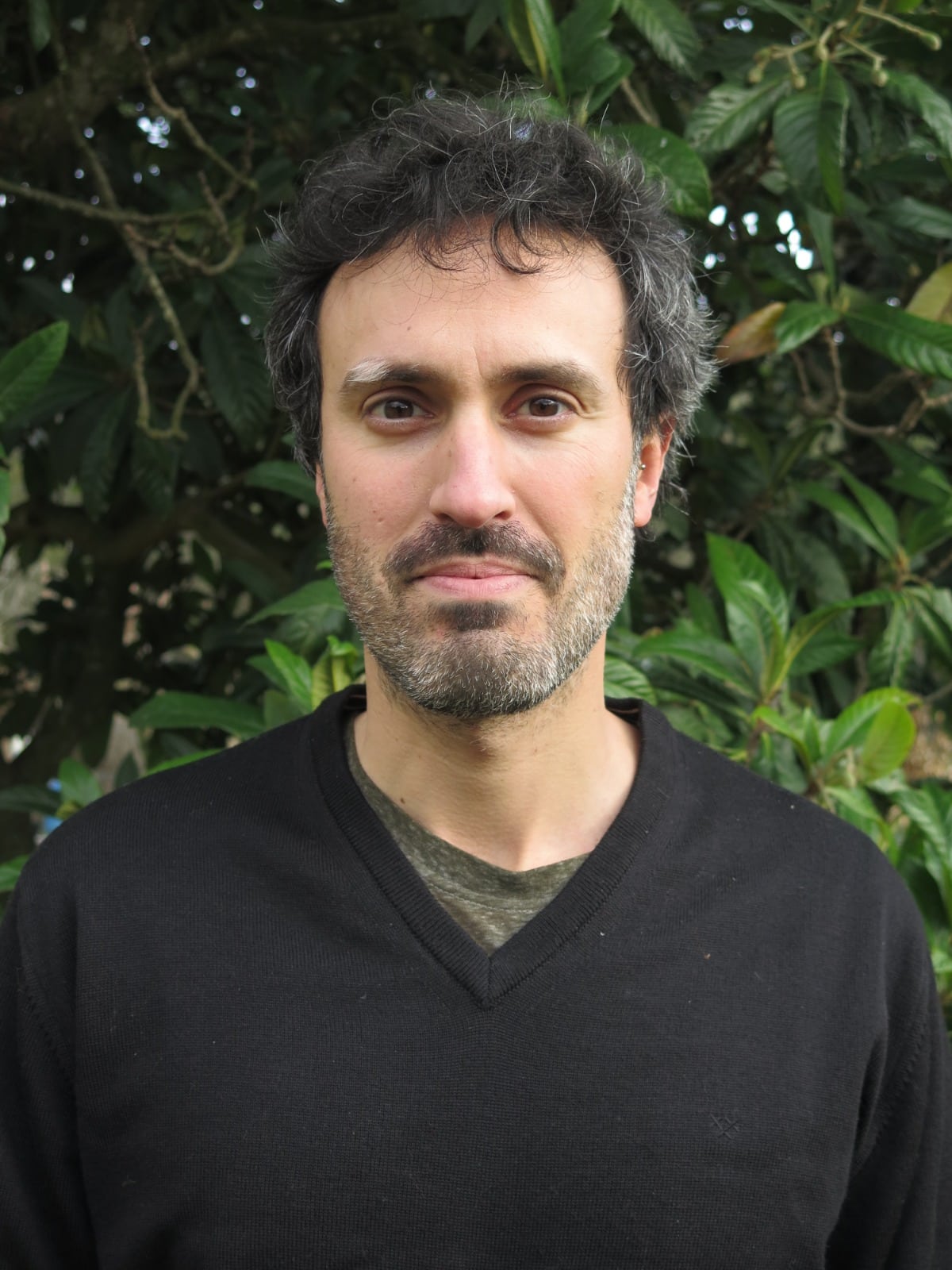
Marc Aixalà is a Telecommunications Engineer and Psychologist with a Master's degree in Integrative Therapy and Strategic Brief Therapy. He is a senior Holotropic Breathwork facilitator and trainer, certified with Grof Transpersonal Training, and the author of Psychedelic Integration: Psychotherapy for Non-Ordinary States.
With extensive experience in psychedelic-assisted psychotherapy, Marc has worked in clinical applications of psilocybin for depression at Parc Sanitari Sant Joan de Déu Hospital and trained with MAPS in the therapeutic use of MDMA. He was an integration psychotherapy specialist and co-founder of the ICEERS Integration and Support Service, and also volunteered with Kosmicare for psychological emergency services.
Currently, he is actively involved in clinical trials with psilocybin and is dedicated to mentoring and training the next generation of psychedelic therapists. As a teacher, he created the ICEERS Integration Training. Based in Barcelona, he offers psychotherapy and supports the professional growth of the psychedelic therapy community.