Ep22 Emile Hung—There Are No Perfect Conditions: How to Heal, Build, and Keep Going Anyway
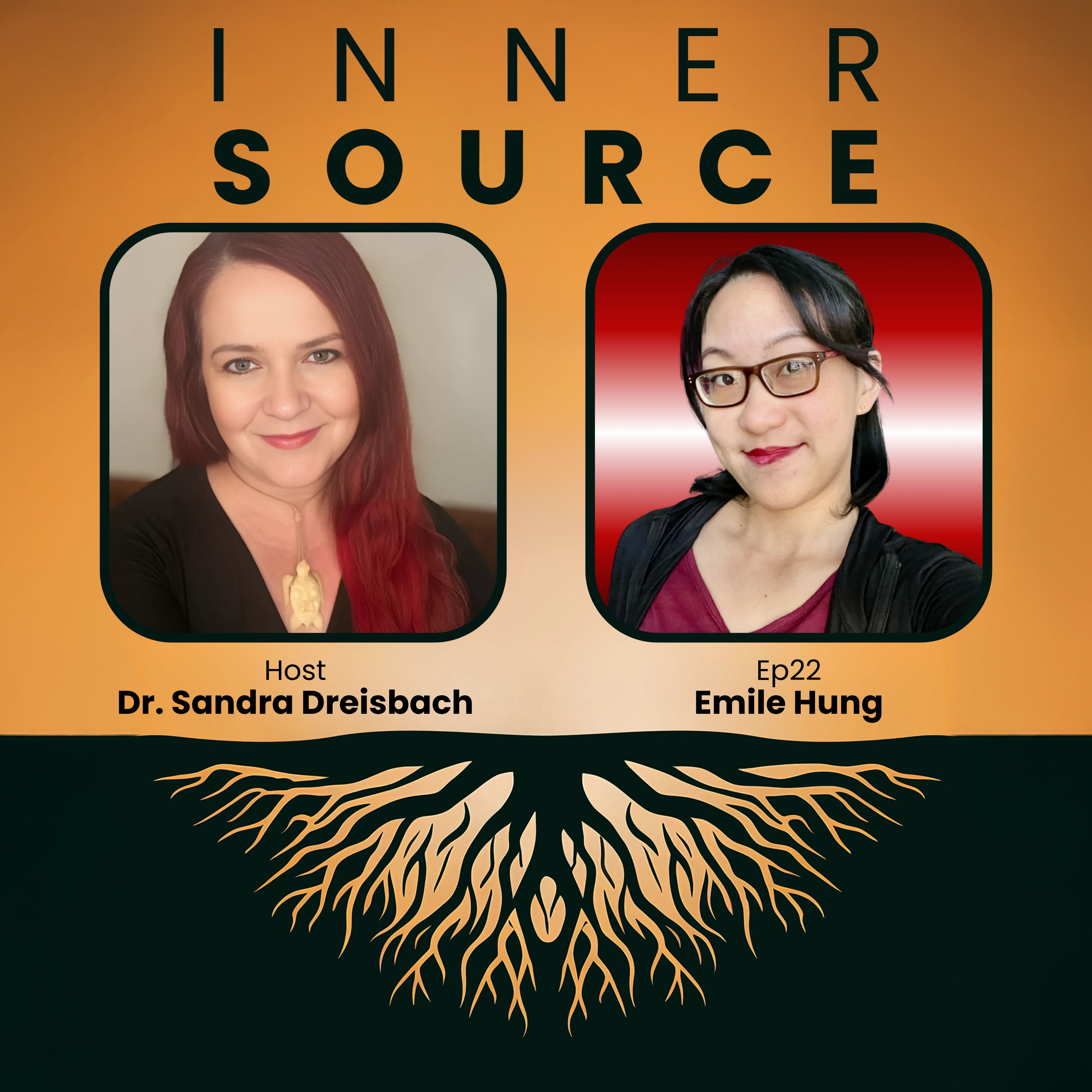
What do you do when the conditions you're waiting for... never actually show up?
In this episode, Dr. Sandra Dreisbach sits down with Emile Hung — a final-year medical student, premium ghost writer, and nutritionist who runs her entire online business from Havana, Cuba... through rolling blackouts, spotty Wi-Fi, and all the beautiful chaos that comes with it.
Emile walks us through what burnout in medical school actually feels like from the inside — not the polished version we hear at conferences, but the real one. The kind where you stop being able to get yourself to class. Where patients start noticing before you do. Where you finally have to admit that the culture designed to teach you how to care for others... was quietly dismantling you.
You'll hear how a single gym in Belize became the unexpected turning point in her recovery. And why a medical student had to walk into a fitness facility to learn what nutrition actually does to your hormones, your metabolism, and your mental state — things that never came up once in years of medical training.
Dr. Dreisbach, who was navigating her own bankruptcy while they were co-creating the Shadow Work Facilitator free e-course together, reflects honestly on what it looks like to build something meaningful in the middle of imperfect circumstances. Their collaboration — forged across time zones, interrupted by blackouts, stretched across asynchronous messages and creative problem-solving — becomes its own quiet lesson in what trust and resilience actually require.
By the end of this episode, you'll know how to recognize burnout before it strips your empathy entirely... how to use nutrition as a genuine mental health tool rather than an afterthought... how to find the right mentors even when they're not physically in your world... and how to stop waiting for the perfect moment and just take one small step anyway.
Because if Emile can build something real from a Wi-Fi spot in Havana during a blackout... the question becomes less about conditions and more about what you're actually waiting for.
______________________________
**Disclaimer** The information shared on this podcast, our website, and other platforms may be triggering for some viewers and readers and is for informational, educational, and entertainment purposes only. It is not a substitute for professional medical, legal, or therapeutic advice. While we explore topics related to altered states of consciousness, we do not endorse or encourage illegal activities or substance use. Always research your local laws and consult qualified professionals for guidance. The content provided is "as is," and we are not liable for any actions taken based on the information shared. Stay supported and informed, act responsibly, and enjoy the podcast!
Emile Hung 0:00
There was never a point where I thought it was the perfect time. I just started with one little step, and it started building from there. It only starts by doing. Instead of just kind of over thinking, or thinking will get, like, less dizzy, something will always come up.
Dr. Sandra Dreisbach 0:14
Welcome to inner source. I'm Dr Sandra Dreisbach, whether you're just beginning to explore your inner landscape where you've been doing this work for years, and understand that transformation is a lifelong journey. This is your space. We're diving into real conversations about personal growth, Shadow Work, and what it actually takes to create lasting change from the inside out, because the truth, your most powerful healing tool isn't out there somewhere, it's already within you. Let's connect to that inner source together.
Speaker 1 0:50
The information shared on this podcast, our website and other platforms may be triggering for some viewers and readers, and is for informational, educational and entertainment purposes only. It is only it is not a substitute for professional medical legal or therapeutic advice. While we explore topics related to altered states of consciousness, we do not endorse or encourage illegal activities or substance use. Always research your local laws and consult qualified professionals for guidance. The content provided is as is, and we are not liable for any actions taken based on the information shared. Stay supported and informed. Act responsibly and enjoy the podcast.
Dr. Sandra Dreisbach 1:23
In this episode, I talk with MS hung you'll hear us converse about our interaction and relationship with one another, and we work together on a five day email course on supporting shadow work as a shadow work facilitator, and so I wanted to take the time to make sure I support her in her work and and give greater transparency to ghost writers out there, because I feel like some of these things should be more transparent, and people deserve to get more credit. But I also wanted to highlight she's actually based in Cuba. She's from Belize, and some of the challenges that we faced in the journey of even working together, in the situation that she is in in Cuba, with a periodic blackouts, with internet service interruptions that in the going on, we started working together months ago. But, and you'll hear about it a little bit about this experience as someone who works internationally, I think it's really important to cultivate all of our awareness about the situations in the world, and to find ways of even when there are barriers to to face them and and work with through them together and address some of the harms that are happening In the world through relationship. I hope you enjoy this episode and see how amazing EMS is. I cannot recommend her more highly. She's very well organized. She's very well informed. She's also a nutritionist, and I hope you you see that at the end of this episode that working in relationship with EMS is definitely a positive experience.
Emile Hung 3:08
Well, welcome EMS, EMS, or Emily, I always call you EMS, so I don't even think about it. Yeah, this is just EMS. Well, welcome, yeah, I'm glad to be here. It's like my second every podcast.
Dr. Sandra Dreisbach 3:21
I find that an honor and a privilege. You know, I really appreciate that, and I appreciate taking the time. And maybe we should set people up right off the bat here and let people know that you're, you're calling in from Cuba.
Emile Hung 3:37
Yes, Havana, Cuba, and the first current pockets. I even did it from Cuba too. And we have all our like, interesting ways of trying to get it to work. And that was really like a difference, a different like milestone there. I really
Dr. Sandra Dreisbach 3:55
appreciate your resilience, and I know we should introduce you a little bit better for people, and I know I've given an intro to the show, but maybe you want to say a little bit about yourself and your work.
Emile Hung 4:09
Okay, so I love building an educational email journey for Women's Health founders to help them scale their thought leadership, to nurture on all pilot and to help bridge people who discover them for the first time and to their offers and to ways of solving problems. That's me as a premium ghost writer. And I would have to say I have two other identities.
Dr. Sandra Dreisbach 4:35
No, give it all. Give it all. I think everyone should know about all the identities you know. Tell them about your nutritional blog.
Emile Hung 4:41
Yes, that that's, it's a gradual growth. I because I've been amongst like thought leaders now, then I started to have developed my own garden leadership as well. So nutrition no brainer is what I would refer to as, like, at least you need to know about healthy eating. And I developed it because. Um, I was burnt out, and I realized, like, med school didn't really teach us, like a way to think through this, not even since, like, when I was studying, even like a primary school student, we had, like, health science class, but we never had a framework, something that you could easily think of, refer to and ground yourself with. So I developed a no brainer. It's five principles of how to eat healthy. And right now it's like, I write a newsletter, bi weekly, and I write about how to make it actionable, and also debunking some myths, and also developing a kind of, like, actionable community challenge so that you can, like, apply what you learned. So that's all in kind of gradual development. I'll say I'm a final year med student and and I'm in my OB, GYN, or Obstetrics, Gynecology rotation at this moment. This is my Pen Ultimate rotation before I complete general medicine, and I'm hoping to specialize. And I
Dr. Sandra Dreisbach 6:02
should mention that, you know you're from, you're from Belize.
Emile Hung 6:05
Yes, I'm from Belize,
Dr. Sandra Dreisbach 6:06
but you've been in Cuba since 2017 Is
Emile Hung 6:11
that correct? Yes, that's when I first started my pre med year. And after that first year, second year, and then from third year onwards, it's working the hospitals.
Dr. Sandra Dreisbach 6:20
Now, I kind of want to pick up on something you went by quickly about your nutrition work and how you were led to do that work from burnout. As someone who also has experienced burnout, Tell us. Tell us a bit about that. What you know? So it happened during
Emile Hung 6:39
medical school, yes. So this is kind of a vulnerable territory, but I think I haven't really written formally or shared so much about it, but general, like at the end of fifth year, I think that was 2024 I think I reached the point where I could not continue. And it's not something that happened just once. It has been building up since third year, actually, if I have reflected a lot and heal a lot since then, and it started in third year because of covid, like covid messed up the way we learned in school. There's a lot of restrictions. We didn't have a lot of practical that ruined the experience of third year. Because third year is the first is when you actually start going to the hospitals and everything. So with that fragmented experience and the frustration of delays in classes and schedule and uncertainty, then I started to kind of just not enjoy learning or anything or serving in the way the best possible self I could. And throughout the time, everything has been affected by covid, there's always these restrictions. There's, like, a lot of expectations when it's a totally new situation, and it's very frustrating. So we don't learn as well, and then and then the professors are having expectations in the way they're taught, but it can't be taught like that anymore, so yeah, that led to gradual kind of frustration and struggles until, yeah, the end of fifth year, I I was losing empathy. I was I knew I wasn't in the right headspace, and I knew I should stop, because it's not right to serve others or patients who are not in the right kind of state of being. So I just knew I had to, like, take a break. That was very hard to admit in a culture where it's very taboo to admit burnout and to take a break.
Dr. Sandra Dreisbach 8:31
Well, especially in medical school, there's almost like a cultural approval of burnout like that.
Emile Hung 8:38
That's, there's, yeah, the kind of, kind of glorifying sacrifice, yeah, it's not going to last very long, and we already know that. So a huge mental health crisis among like, both medical students and those who are working as doctors, if you don't take care of yourself, you will reach a point, and even then, very like, tragic things can happen. It's never something that just happens once or is acute. It's more it has been building up, and you keep denying that you need, like, self care, then it's, it's just really, like, sad that certain things will happen because of it, right? Yeah, and I, and I think
Dr. Sandra Dreisbach 9:18
that's one of the reasons, like I feel like we really resonated with each other. And you can speak for yourself, of course, but seeing what happens when that self care isn't there, when your profession or the act of facilitating care, or, you know, actively or even in training, can end up compromising both, not just your care of others, but but because of the care for yourself you're learning about care, and yet, the process of learning of care means I'm being harmed. Okay, so we just had a little bit of an interruption, EMS and I, like, had to take a pause for. The Internet, but we're back and maybe emphasis a good opportunity to talk about the challenges of doing your work you change locations just for this call. How have you found the resilience for what you're facing right now?
Emile Hung 10:15
So that's true, like we don't have like normal Wi Fi installed in our residence or in general. So we have to go to different Wi Fi spots. And even there, sometimes it's not stable, and then you have to find another spot. So I have to figure out three different ways to get Wi Fi to continue the work that I do, and also stay connected with everyone. So that's and I would say, where I get the resilience is kind of like just having kind of a mindset. I think I have to admit, it's an entrepreneurial mindset. It's the kind where, despite any, all the conditions and everything, if you have a goal in mind, then it's it's all about figuring it out and taking ownership of what you decided you were going to do. So then you, you kind of open your mind to of like, well, this doesn't work. Let's try something else. Let's keep finding solutions. But you don't settle for like, no or like, if the conditions don't work, well, that's it. You actually actively seek and figure it out and and then sometimes just comes to you, like, those like, the different ways I've tried to make this work with Wi Fi connection, because we did have an original one, like by the residents, that didn't work. So then I kept asking questions, like, how do people like manage this? Then that brought me new answers, and you like solutions for it. So it's all about being active in it and having this value within you, of like, being willing and open to figure things out. That's what this has kept me going all the time.
Dr. Sandra Dreisbach 11:46
It's not just internet, it's also blackouts. And they say rolling blackouts. You don't know when they're going to happen, no.
Emile Hung 11:56
And then when it happens, you sometimes cellular data doesn't work. So you can't really text anybody. You can't call it's kind of, you're just kind of isolated. The hospitals at least, have a kind of backup generator, but I'm
Dr. Sandra Dreisbach 12:13
guessing that you can't run everything on the backup generator. Just critical services, yeah, sometimes
Emile Hung 12:19
no, like, only, only, yeah, only the urgent cases get priority by that time. And so we have a huge battle of certain patients that admitted that need maybe an imaging thing or ultrasound, and they can't do it or or blood transfusion. They can't do it. They have to kind of wait their turn. And so only the priority or urgent would go through there, and then the students will end up walking to the hospitals and charge their devices, because then can't download the things you need to study, and can't study all the materials that you need.
Dr. Sandra Dreisbach 12:50
We've already talked about what you've handled for burnout, especially during covid, being a medical student and now with additional rolling blackouts and and, and still internet challenges, and you're and you're doing an online business, and it seems like it's gotten more challenging there.
Emile Hung 13:11
Yes, definitely.
Dr. Sandra Dreisbach 13:13
What is helping you right now, other than being flexible, clearly, you're being flexible and creative and innovative and coming up with new solutions, because you have to, yeah,
Emile Hung 13:22
it keeps me that's kind of muscle active of figuring things out and problem solving. I've had to, like, just develop programs that work here, the fact that sometimes I can't really follow up with, like, a sync meeting, then everything has to be asynchronous. And if there's clients that kind of aren't able to work like that, then it's fine, because this is my reality. So then I kind of find people who would understand, and that has worked out pretty well, because we still get the same work done. It's just a different like mode of it, and I help them build what's what they need, the educational email course or or other co sharing that I do, and it gets it done. That's the main thing that they need help with. And so it's like, how you say different ways to do the
Dr. Sandra Dreisbach 14:14
same thing? Yeah, and we, and we've journeyed through this already for a period of time, like we started working together last year, you helped to write and CO design the Shadow Work facilitator free e course and and I love that you came from a very informed place on what it looks like to face challenging circumstances and burnout and and finding healthier ways and, and I was literally in the process of my bankruptcy while we were building it.
Emile Hung 14:49
We both survived through the imperfect conditions. I think that's kind of the huge, huge, like miracle there, resilience.
Dr. Sandra Dreisbach 14:59
Yeah, the core. Itself is evidence of that, because, like, I mean, there would be times where we couldn't meet because of a blackout,
Emile Hung 15:08
yeah, and we had to kind of send things to each other. How was it
Dr. Sandra Dreisbach 15:13
for you working on the course? What did you What did you like about and you could say you don't like working on it?
Emile Hung 15:19
What? No, I loved it. Because when I first, when I first came across you, and we had our first coffee chat, like I always loved I always knew that there wasn't like forms of alternative medicine. That's what I've learned so far all these years that has not been covered so especially things like the spiritual self or like the mental health because I really think there is truth in from trauma being stored in the body that will manifest as certain symptoms. So, you know, it's a psychosomatic connection. And when you have like people, like you doing this mission of, what a shadow work? How do you navigate shadow work? Then I feel like that still counts as part of healing a part of, like, global, the whole person's health. So then I was excited to know more about and to help you build it so that more people can learn about it, more people can realize there's this way of healing that could really benefit the rest of, like, their general
Dr. Sandra Dreisbach 16:17
well being. Well, the honor and privilege was also mine, because to have someone who, I know, you're still a medical student, but really are a veteran of challenging situations where, you know, I mean not not just now, but but because of covid and, and being this medical student in Cuba and, and you're not even from Cuba, you're from Belize, right? And there's cultural things, right, you know, but it always gets me. It always got me here, even in the States, how medical professionals are trained under what I would consider toxic, unhealthy situations to work on learning about creating health, right? It seems like the ultimate irony, or something really toxic in the system. But I mean, maybe, maybe it's just because I'm not a medical student and I'm not a medical professional, but I also appreciate the fact that you have that perspective on, you know, some of the harms that can happen, literally, because you didn't have self care, or you have to take care of your own well being and and not experience burnout, because you can see the real consequences when you don't do that work, whether it's mentally, physically, emotionally or spiritually, in terms of like shadow work. I mean, I'm curious if you have any like cases or particular times that really resonated for you, that really spoke to you about why self
Emile Hung 17:44
care is imperative. When I finally realized that I was really at the heart breaking points, or I couldn't move any further, I mentioned that I was losing empathy, and you need empathy as a healthcare professional, because patients are suffering, and we can't always only think about ourselves. Sometimes they're in a like, a condition or a position that's a lot worse, like, comparatively. And we can't just be cold and, like, only robotic about it. And so without that component, that's super crucial then, then you can't do your work. But if you yourself are in a state of not being able to, like, kind of hold them together for yourself, then that's kind of dangerous. You could be making mistakes. You could really harm the patient. Like, psychologically, you say something out of turn, some people don't realize that they are kind of not helping the patient in that way.
Dr. Sandra Dreisbach 18:39
Let's set off alarms for you that, like, I don't think I'm being as
Emile Hung 18:42
empathetic anymore. Sometimes I reached a point where I couldn't, like get myself to school, but I at least had someone with me think that helps, and realizing I just wasn't enjoying it. Or or the patients kind of complaining a bit more, saying that they prefer a different medical student with them sometimes, but sometimes there's multifactor. It's multifactorial why they would say that. But one of them is that me noticing that I think more of them are didn't seem to be like well cared for, I would say, and kind of saying it too like being vocal like I don't feel like things are going well. So then it reflects on their progress, because we kind of do a daily evolution. We visit them. Let's say in the wards every day, if we see don't, we don't see an improvement, then there's certain factors that go into that that makes a lot
Dr. Sandra Dreisbach 19:34
of sense. And I love even the elements of Shadow Work and self awareness that you're pointing to that you know, you notice the change, right? And that that alone requires a certain amount of self awareness and a recognition of, like, well, what, what do I consider to be, you know, my, my inner alignment, like, what's my healthy sort of starting point? And this. Does not look like the Emily I love. Yeah, it's
Emile Hung 20:02
being honest that I wasn't being the right kind of person to serve, and I needed to stop and like, really evaluate and see what's going on and how to deal with that. And it was scary because I didn't have any tools to how to deal with it. It's not talked about since you didn't feel
Dr. Sandra Dreisbach 20:21
like you had those resources already, right? And you weren't guided to them, and you weren't told, you know, this is what you do when you're stressed out or burned out or starting to feel apathetic or or lack of empathy. How did you get led to the tools that you end up using? I know nutrition is one of the things you turn to.
Emile Hung 20:37
I think I turned to who I looked up to a lot, my unofficial mentors out in the internet that share about productivity or self development and seeing how they go through similar struggles, even if they're not like in med school, per se, but just challenging situations. I reached out to those. I listened to more of the podcasts. I searched if they've written about it, that's kind of the starting point. Having like, even if it's not like local like mentors, but having knowing that there's like people who have been willing to share about their vulnerable stories and everything, and giving you some hope and ways to like navigate. I think I ended up searching like it kind of before I evaluated what I'll really take the gap here, I've been reading up the stories of others, and that really helped, too. And I
Dr. Sandra Dreisbach 21:28
love that you say that because, of course, you're sharing your story, so you're, in essence, paying it forward to others who may be in a similar circumstance to you. So would that be your advice to someone else in a similar circumstance, would you say, like, find others who've been through similar challenges, you know, get inspiration from people you look up to, even if you're not in direct relationship.
Emile Hung 21:52
Yes, I would say, find, find similar people. Because if you just have people who haven't gone through it, they don't always give you the right context, or the right ways to think through it. You need kind of someone who has been through it, has taken those steps, and you're probably a couple of steps behind them and wondering, what's the best way to think through what has happened for them that worked or didn't work. But if you have someone, because I have tried to get help, but I realize if these people have not gone through similar kind of mental gymnastics and the kind of culture of med school, and they don't know that context, it's very hard for them to give a bit more precise advice.
Dr. Sandra Dreisbach 22:31
And what would you say about your journey to nutrition? Since I know you do have your newsletter, and maybe people want to sign up and learn from you what inspired that term part of my
Emile Hung 22:42
recovery, when I went home, I spent a year in Belize, and I I decided to find a job to kind of keep active in things. And at the same time, I was like, I'm very confused about like, gym. I never really signed up to a gym. I had a trainer before I had one, like in Cuba, it wasn't very official and consistent. And so I decided, like, Okay, after work, I'm gonna go to this gym that wasn't, like, kind of conveniently, the nearest one to my workplace. And I think those are signs I sign up. And this one was really special. This one is called Educo gym. It's not like the other gyms, because this one includes like trainer plus like nutrition, the orientation for it and accountability for us on okay, this has to be something I'll get into. And that's wasn't the first time I ever learned about the effects of eating high glycemic foods, hidden sugars, how we should prioritize protein, how like food affects your hormones and your metabolism. I didn't say it at the time, only three times, when I applied all of the orientation myself, I realized this is like, kind of the basis of, like, the prevention of so many Croft diseases, and also the basis of preventing symptoms from other conditions getting worse or feeling worse. So I was like, mind blown, like I learned this at a gym, not in medical school.
Dr. Sandra Dreisbach 24:04
I'm a medical student. Why am I learning this at my gym about nutrition, and it made so much
Emile Hung 24:09
difference because I I was real. I found out I was eating terribly that when I decided that I was burnt out, I have to just be vulnerable and share that I was eating the wrong things that made it worse, made the feelings go worse, made the depression go worse. When, if I was eating right at the time, I don't think I would have been as in a worse state like I would have kind of found some calm, maybe, and think through it a lot more clearly. But I think getting burnt out and coming home and learning that despite how like it could be criticized and taboo to do so I needed to have gone home to learn it there. Otherwise I wouldn't have ever learned it. So it's a funny thing. They say, difficult things we go through, or blessings in disguise. It sounds cliche when I first heard it. I literally lived through it, and so. Like, I can't believe I had to do that in order to learn the right things and end up in a, like, better place.
Dr. Sandra Dreisbach 25:07
The wound is where the medicine is. That sort
Emile Hung 25:08
of idea, right? Yeah. And because of that, I built the framework. Because I'm like, not everyone knows about this. Everyone's confused. I'm like, I need this to need people to know more about it and have an easy framework that can be applied. So that's why I started nutritional breakthrough. And I'm always thinking about, how do we make this a little easier? How do we make this more obvious? Because just from the little those little steps and following it could really make you feel so much better. If you're currently sick with anything, it's just prevents a lot of the symptoms from being, like, feeling so terrible. And that's why really wants, like, whenever I have patients in the future, or anything like, I want them to know that, and so that's why I organized it well, so that it'll be something very easy for them to have access to what inspired
Dr. Sandra Dreisbach 25:59
you from your home community to go into medicine, and where do you hope to go in the future when you go because I understand you have plenty in going back to police after you're done.
Emile Hung 26:11
Yes, I've always been a very sickly child. I always had allergies, so everything, the dust, pets, changes in weather, I was always and I always ended up in the hospital. My mom told me the story that I almost got, like, asthma or something like, or just some form of chronic respiratory illness, like, I was always getting sick, but it was a Cuban doctor that actually helped me, like, prevent that from happening. I don't know all of these feel very fuzzy for me, but because it was a Cuban doctor and like that kind of made, like, etched in my mom's memory. And Cuban daughters are known to be very, very rare skill that's like, like the clinical examination, or a quite clinical right ways of diagnosis, because, well, as I've learned here so far, we do a lot of like the diagnosis and the treatment, just by the physical exam, just by the interrogation. We don't always have the resources for imaging or the complementary things, so we always work with the experience of the repetition of knowing, like, what does it what are the manifestations? And because of that, then this doctor probably knew, like, Okay, what exactly, just from what I was experiencing and but still, I still ended up a lot of like, times in the hospital. And I was like, I want to, you know, figure this out. I want to know why I keep getting sick. Something is not adding up for anything and so, and I always love science, so that's kind of what started.
Dr. Sandra Dreisbach 27:48
Well, that certainly makes sense. But what's it like? I mean, like, you say like, because the Cuban doctor had a different approach and was actually helpful for you in Belize. Or what was your experience at least, growing up there in terms of how people approach health and wellness, and, you know, even, like the things that we've talked about, spiritual, mental, physical, emotional, like inner resourcing,
Emile Hung 28:13
I think it's there's the traditional way of being medical doctors kind of looking at surface level and sometimes just solving things with pills, but the cube results, there's always apply, like, years and years of like practice and with little, little resources. So we give treatment plans that are like the core, and while needing so many like other maybe test or anything we already know because of the experience, what the form of the condition looks like, and so we know how to like address it, so it's and we also learn here, like we call it bile, I think in I'm thinking in Spanish, but the not only the physical, but Also mental and social aspects of health and well being. So we still ask about that. You know, when we first meet a patient, we know that whole context, because all that will apply,
Dr. Sandra Dreisbach 29:11
yeah, and I love that, just like, I mean, we're not we're not park people. We're whole people. As we wrap up our conversation and it's like, is there anything else like you want to share about you or your work, or things that you know really help, you know, be an inner resource or inspiration for yourself. Because, I mean, I mean, clearly, you're a strong, independent and resilient, creative woman, you know. And I know, even though you haven't graduated yet, I know you're going to be an amazing doctor or wherever you end up leading. And I certainly personally, really appreciated working with you and and how you held space for me in the process of of creating this, this email course on Shadow Work facilitation, and the journey we went on together with that, all the while you're facing all these challenges. Challenges, and I'm facing these other challenges, and yet we still were able to co create together.
Emile Hung 30:05
I think that's the amazing connection we have. We can find ways to thrive, even despite the imperfect conditions. I really learned throughout my time here in Cuba, throughout my burnout journey of healing, ghost writing and also organizing like nutrition no brainer is that there was never a point where I thought it was the perfect time. I just started with one little step, or one little like micro activity or micro action, and it started building from there. It only starts by doing. It could still just kind of overthinking, or think you will get, like, less dizzy, will never, you know, something will always come up. Don't wait for perfect you're saying, yeah, like, there's just never a perfect time. I know it could be very scary. Another thing that helps is knowing that people have done it so the who, who you look up to, or who you listen to the podcast, or anyone you are inspired by, then that's proof that things could be done, right? So that's, that's what will help keep you going as well. And I just wanted to ask you, too, Sandra, like, what was it like working with someone like that has to, like, ask for so much flexibility that I had to be telling you that I have these conditions and we have to be working extremely well.
Dr. Sandra Dreisbach 31:24
Sometimes I appreciate you asking the question. I mean, it's important to find the person who I want to work with, right? And I knew I wanted to work with you when those things started coming up. And honestly, like some people know, like it was all the time, right, you know, and I knew I could trust you as a person, right? I knew you weren't trying to sabotage things or cause intentional delays, or I didn't think you were lying about things. And I think that element of trust and relationship, that foundation we had in relationship, even in the few months, like when we were even delaying getting started because we didn't start right when we met. That relationship allowed me to trust you, to be flexible, to be resilient, because I felt like we were in this together and we're going to get through this. We got this. I honestly didn't know how bad it was in Cuba. Now it's getting more in the news here in the West, but we were dealing it with it from, you know, like, at least six months plus more, you know, before it even was catching more news in the US, I think, and about some of the choices that are being made in diplomacy, without making a comment on that, and wanting to work with not just the people who didn't have interruptions in their internet or with blackouts, or who didn't have to deal with more challenging circumstances, because it didn't have to do with that. It had to do with who you were as a person, our relationship and the quality of
Emile Hung 32:55
of your work. Oh, thank you so much. Yeah, thank you.
Dr. Sandra Dreisbach 32:58
And thank you for coming onto the podcast and being
Emile Hung 33:01
willing to share. Thank you too for the opportunity.
Dr. Sandra Dreisbach 33:03
I want you to be seen. I know you're a ghost writer, but I want you to be seen. I want you to get credit. You need to have allies. You need to have a team. You know, yeah, we can't I contracted you, but like, it's through mutual respect and partnership that we get the job done. Any last words for the show, if you're going
Emile Hung 33:20
through certain struggles like, I think the main thing to think about sometimes is everyone goes through struggles, try to kind of know that you're not alone in it. Everyone always has something and like, you could that helps, like, open your mind to like, being kind as well, kind to yourself, especially because there's always this pressure these days to be invincible, but sometimes you need to give yourself compassion and to always think about the direction you're going to seek resources and be proactive, especially when what's around you has not been helping, then it's okay to seek outside of it too, and to get inspiration from people going through the same thing, so that you get the right context, and then you're less alone in it, right? And that's the conditions are never perfect. I live. I've lived over six years with Cuba, with spelling medicine, and I just know for sure that there are no perfect conditions.
Dr. Sandra Dreisbach 34:21
Yeah, I think that's a good, a good lesson to take. It's not not just, you know, don't, don't try and be perfect, but also, don't expect perfect conditions, either. So thank you again. Adams and I look forward to hearing more from you in
Emile Hung 34:35
the future. All right, thank you too.
Dr. Sandra Dreisbach 34:37
Thanks for being here with me today. If this resonated with you. Subscribe wherever you listen and share it with someone else on their journey. And if you're ready to go deeper, take the free inner source assessment at inner source podcast.com it'll help you discover exactly what kind of inner work you need right now and where to start until next time. Remember. Everything you're searching for is already within you.
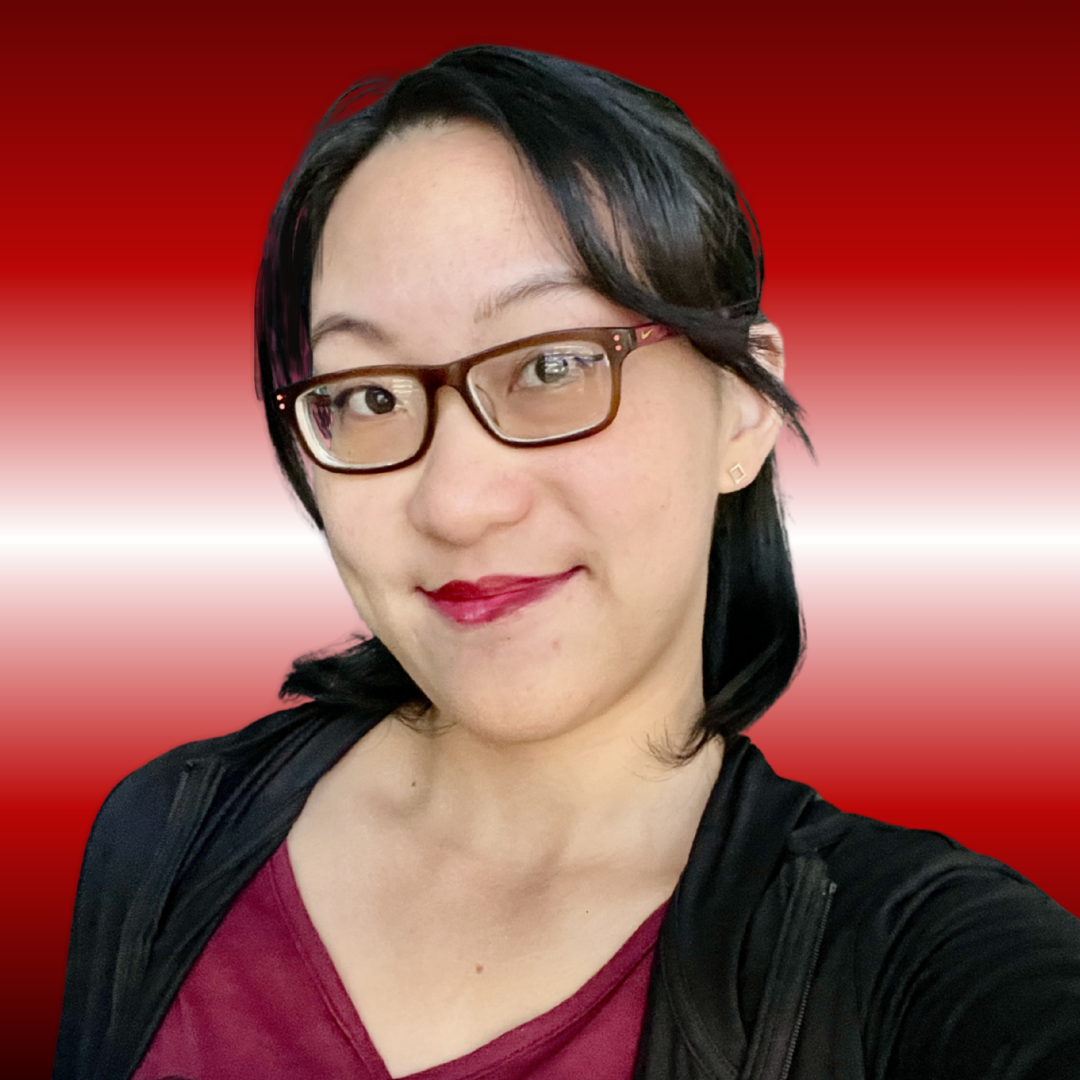
Premium Ghostwriter | Founder of Nutrition No-Brainer | Final year Med Student
Emile Hung (Emz) is a Premium Ghostwriter, founder of Nutrition No-Brainer, and Final-Year Medical Student transforming her post-burnout experience into mission-driven impact.
As a ghostwriter, she crafts educational email courses for women's wellness leaders and FemTech founders, converting social media traffic into loyal communities. Her edge is a rare blend of medical training, fitness coaching, nutrition expertise, and technical skills in web design, UI/UX, and email funnel creations.
Her newsletter, Nutrition No-Brainer, is shared bi-weekly and is based on her own original practical framework built from burnout recovery in 2024.
The 5 Nutrition No-Brainers Framework distills 5+ years of medical school training, coaching 30+ clients on their diet as a fitness trainer, and her personal burnout recovery journey into dead-simple principles that make healthy eating finally feel intuitive (no need for food tribe allegiances nor confusion: just practical biochemistry).
She is currently a final-year medical student in Cuba and aspiring to specialize in Natural and Traditional Medicine. Before this, Emz graduated top of her cohort as a Biology/Math/Physics triple major associate’s degree and has previously contributed in different roles as a French instructor, medical consultant, fitness trainer and nutrition coach.
Her mission is make nutritional literacy OBVIOUS, and help health leaders scale their expertise into content that connects, converts, and creates scalable impact through educational email strategy.