Ep24 Anubhav Bhattacharyya—The Book Already Inside You, Storytelling as Healing, and Done Over Perfect
What if the story you've been meaning to write has been inside you all this time, waiting for the right kind of presence to draw it out?
That question sits at the center of this conversation between Dr. Sandra Dreisbach and Anubhav Bhattacharyya, book architect and co-founder of Chevaun, where he helps people take a book from rough outline to a published reality in seven weeks or less. His process is entirely human-driven, built on genuine collaboration and a conviction that everyone carries at least one story worth sharing.
In this episode, Dr. Sandra and Anubhav reflect on the making of her book Dancing at the Edge of Darkness, a journey that began when Anubhav spotted something he called "uniqueness" in Dr. Sandra's LinkedIn presence and reached out. What followed was months of creative partnership that challenged her academic conditioning, stretched the boundaries of what a book could be, and wove together fiction, philosophy, the hero's journey, and psychedelic integration into something neither could have made alone. They explore why storytelling has been humanity's most durable form of healing, from campfires to contemporary consciousness work, what it means to hold space for someone else's voice without overwriting it, and the piece of wisdom that frees every stuck writer to begin: done is better than perfect.
If you've had a book living in the back of your mind for years, this episode may be what finally gets it out of there.
______________________________
**Disclaimer** The information shared on this podcast, our website, and other platforms may be triggering for some viewers and readers and is for informational, educational, and entertainment purposes only. It is not a substitute for professional medical, legal, or therapeutic advice. While we explore topics related to altered states of consciousness, we do not endorse or encourage illegal activities or substance use. Always research your local laws and consult qualified professionals for guidance. The content provided is "as is," and we are not liable for any actions taken based on the information shared. Stay supported and informed, act responsibly, and enjoy the podcast!
Anubhav Bhattacharyya 0:00
Stories are what we've known from years gone by, right? Generations gone by, like people started storytelling, you know, in the caves, in their you know, campfires. So I think that's what carries through him, hope it carries straight into the future as well.
Dr. Sandra Dreisbach 0:15
Welcome to inner source. I'm Dr Sandra Dreisbach, whether you're just beginning to explore your inner landscape, or you've been doing this work for years, and understand that transformation is a lifelong journey. This is your space. We're diving into real conversations about personal growth, Shadow Work, and what it actually takes to create lasting change from the inside out, because the truth your most powerful healing tool isn't out there somewhere, it's already within you. Let's connect to that inner source together. The
Anubhav Bhattacharyya 0:50
information
Speaker 1 0:52
shared on this podcast, our website and other platforms may be triggering for some viewers and readers, and it's for informational, educational and entertainment purposes only. It is not a substitute for professional medical legal or therapeutic advice. While we explore topics related to altered states of consciousness, we do not endorse or encourage illegal activities or substance use. Always research your local laws and consult qualified professionals for guidance. The content provided is as is, and we are not liable for any actions taken based on the information shared. Stay supported and informed. Act responsibly and enjoy the podcast.
Dr. Sandra Dreisbach 1:23
In this episode of inner source, I talk with Anubhav or AB. He is a three time author and also the co founder of Chevaun, where he helps experts go from I have an idea about a book to a fully published book, anywhere from seven weeks to a few days. It's and it's no it's not with AI. And he's also a Story Strategist. He's a storyteller himself who partners with leaders and founders to bring their books to life with precision and heart. He specializes in voice, first writing, and hopefully you'll hear in this episode a little bit more about what he means by that helping authors articulate their frameworks, journeys and philosophies without losing the truth of their tone. And extra special for me in particular, and why I definitely wanted to uplift AB is that he is the contributing writer and supporting writer, I think is what he decided to call himself for my book, the book called dancing at the Edge of Darkness, which is a story of your inner transformation, of Personal Growth. I just love the process that I experienced with a B, and other than, of course, obviously highlighting the work that we did together and being transparent about, you know, some of the processes and things that I need, that I find work for me, that maybe they work for you, maybe they don't, but the empowerment that we can get from working in partnership with someone really, really goes beyond words. But I hope through a lot of these inner source episodes, you don't just get the tips and the guidance to help you with your journey from different experts and people who are doing the work, as we say, but, but also you get an experience over time of what that looks like for me. And that's why times I'm I'm sharing a lot of these stories and these experiences I have with people, so you can see like, well, well, how, how am I able to source myself in different ways, and especially someone on the spectrum, having someone else who I work with can actually be really supportive. There are some things like creative or spiritually, that I do prefer to do alone to sometimes. But there are other pieces that having someone else, having a buddy or support person or a partner who's helping you as part of the process really makes the difference for me. If you've seen the episode with EMS where I talk about the E course we designed together on Shadow Work that's free. You can get that, but here now you get to see an even longer journey that I had with AB on trying to create a storybook that came out of doing the work on the thyrsis Oracle. We don't talk too much about the book here, but I really hope you get a sense of what it's like to work with AB and the type of person that he is, and the real joy and experience we had together, and I definitely would would recommend working with him or someone else like him. So hope you enjoy this episode with a B and the story that he tells with me about our journeys together.
Anubhav Bhattacharyya 4:56
You.
Dr. Sandra Dreisbach 5:00
Well, I'm so I'm always happy to see you. AB, I mean, it's great to have you on the show, finally, after all of our adventures together in writing and CO creating, but I should let you have a little bit to say, a little bit about what your work is and and what you do from your perspective. What do you do? AB,
Anubhav Bhattacharyya 5:23
awesome. I love it already. And yes, it's always great to meet you as well. Sandra, and yeah, just, I really don't like talking about much about myself, but in very short detail, like, what I do is I help turn your book ideas, like, whether it's a rough draft or even outline or just some vague idea in your head into a professional, fully designed and published book live on Amazon. And we typically do this in under seven weeks or less, at
Anubhav Bhattacharyya 5:52
some
Dr. Sandra Dreisbach 5:52
extent. I mean, granted, our adventure was different, and maybe, maybe we should just dive in here. I mean, we found each other on LinkedIn, right I'm correct. And actually, maybe I should ask, you know, like, Well, how did you find did you find me?
Anubhav Bhattacharyya 6:04
Yeah, that's a great question. Actually. Like, what I and people have asked me this before as well, is, like, more often than not, I kind of look at like, I don't want to call it weirdness, but the uniqueness in people, right? And it's,
Dr. Sandra Dreisbach 6:18
you can call me weird. I'm not offended.
Anubhav Bhattacharyya 6:20
No, no. I appreciate that. And I think like when you see that, whether it's in a post or line they wrote in the bio or could be a photo they posted, right, it kind of hooks me into that. Because I always believe everyone has one or two stories in them that can be a book, that can be just worth sharing. So yeah, I think that's what caught my eye in the first place.
Dr. Sandra Dreisbach 6:40
Well, thank you, Amy, I appreciate the compliment that I was weird enough to not too weird, that you didn't feel unsafe to approach me. I guess you know I've been, I've been working on different obviously, I have a PhD, so I worked on books and things like that before, more academic in style, and I've been searching for a way to find my voice in a new way, in a in more of how I approach things. And obviously you may go, like, why am I looking for my voice if I have a podcast? But it's different when you write. It's different when you write and and I'm sure you can appreciate this A, B, because like, so like, What really excited me about you and your work was, was how you basically companion people and and work with people side by side. You're not writing for me per se, and I'm not, and I'm not, and you're not forcing me to write, but it really was a an experience together and and trying to share the story I wanted to share, and you really hold space for that. I think we think of facilitators in a particular way, but I think to be able to help people bring their writing to life is a really beautiful gift that you have. So I wanted to take at least a moment right now to thank you for for supporting me in that journey, right right now, before we lose any time,
Anubhav Bhattacharyya 8:00
I appreciate that. I appreciate and it's a very important thing as well, because lot of the time, like, people are always worried, like, if I give it to someone to write it, like, Will I lose my voice? Or, you know, will I just lose out on that personality or my perspective on it, right? And I think what we did. And what I do as well is like, that's very important, like, if that part is not like, nailed from the beginning, and if we don't have that alignment, whether it's the outline, whether it's the first Croft itself, right, things can go very wrong very quickly, and it you might end up with something that doesn't feel like you.
Dr. Sandra Dreisbach 8:37
And maybe I should ask before we get too much about like, things that we did together. How did you get into doing this work?
Anubhav Bhattacharyya 8:45
It's a multiple things that come into the play here with because I loved reading from, like, a very young age, like when I was, like, probably 1211, years old. And then the writing part started, I would say 2013, ish, when I just entered college, and that never stopped. Of course, back then, it was more like fictional writing, which I still do, on and off nowadays, but like, that storytelling aspect of me has never stopped. And when I found that, like, I could just do this all the time, like that was a win win for me. Like, love what you do, right? So that's what I do, keep doing now.
Dr. Sandra Dreisbach 9:22
I love it. And what's, what's one of your most favorite stories that inspire you?
Anubhav Bhattacharyya 9:27
I think, like, one book that I always keep going back to is the book Atlas Shrugged by Ayn Rand. And
Dr. Sandra Dreisbach 9:36
no, tell me. No, no, really,
Anubhav Bhattacharyya 9:38
yeah. I mean, I have to share that because, like, not
Dr. Sandra Dreisbach 9:41
your honesty, it takes a brave person.
Anubhav Bhattacharyya 9:45
And I know, like a lot of people, like, go either way on, like, her philosophy and what she said there,
Dr. Sandra Dreisbach 9:51
well, she's a she's an egoist, right? Like, just to be straight up with people an ethical egoist, she you have to make it about you. Um. And that you are morally obligated to make it about you. But I want you to say, what is it about Atlas shirt that you loved?
Anubhav Bhattacharyya 10:06
Yeah. So at that age, when I was like, what? 1718, years old, so I was not grasping the concepts. I was more drawn in by the writing of it, in terms of how she was creating the scene, the imagery behind it, right? Because that's purely fiction, how she was writing that book, and that what, that's what caught my eye, because back then, like, in a way, you're trying to copy others and see what's what, and how you can kind of embody that. And that's what got me writing like, if someone can, like, create such vivid scene scenery and create a storyline, you know, that kind of hooks you in, yeah. And that's what got me started in the first place, for sure.
Dr. Sandra Dreisbach 10:44
No, I love that. And actually, I can, I really resonate with that. I didn't realize we have this part in common, because it was Albert Camus les tangent, the stranger, when I got introduced to it in high school, and I didn't understand the concepts of, you know, existentialism and things like and it, but it's like those sort of stories that not just captivate you, but but invite you to understand,
Anubhav Bhattacharyya 11:12
yeah, exactly like, it's not a straightforward like, pay like, that's why I say like in non fiction books. And I think what we did with yours as well, right? And we'll dive into details for that, but it's like a lot of people think they're storytelling, but they are just saying facts, right? This happened, then this happened, then this happened. It's like a courtroom kind of reading. And here, like true authors, they don't do that right? And that's what I found when I read her for the first time.
Dr. Sandra Dreisbach 11:37
I definitely appreciate that about you when, when you were sharing that you really liked writing fiction. I'm like, Oh my gosh, you know, you're perfect.
Anubhav Bhattacharyya 11:46
That's true. That sounds true, yeah. Well,
Dr. Sandra Dreisbach 11:49
not just because I wanted to write a story, but and create an experience of an adventure type of thing, which is totally foreign from anything I had done previously. But it was because I'm so tempted to get into an academic sort of brain of how to write or how to think because of years of I mean, you could say brainwashing, or you could say training, but, but that was really part of the gift that you brought to the table for me, not just your obviously loving compassionate nature and your passion for writing, but the fact that you could just not just steward a storytelling, but have compassion for that journey, that journey of metaphor that invites you in and doesn't spell everything out.
Anubhav Bhattacharyya 12:39
No, I really have fun. And I think that's an important part of, like, what I do as well. Because, like, like, storytelling. I think that's like, stories are what we've known from years gone by, right? Generations gone by, like, people started storytelling, you know, in the caves, in their you know, campfires. So I think that's what carries true and hope. It carries straight to the future as well.
Dr. Sandra Dreisbach 13:01
I totally agree with you, because one of the things when I was studying ethics that really came across to me, maybe because of my love of Joseph Campbell and these other sort of concepts about the power of myth, and these mono myths that tell stories, these archetypal stories that are across cultures, it really came across to me that the way we've really taught ethics through time is through story. We're not giving an existential, you know, argument. We're telling you a story where you hear the Epic of Gilgamesh, you hear a story about indrasnet. You You hear the story of, you know, like, even just the brief hint of a story you gave of, like going into a cave and coming out of it, right? That that has a universal appeal, but a connection that goes beyond the page and connects us through time. I don't know, maybe I'm waxing too philosophical right now, but, but what are your beliefs about stories? Like it is your passion. So what more can you say about the healing aspect of storytelling?
Anubhav Bhattacharyya 14:11
Yeah, I think why I always like go back to stories, and I do a lot of light reading, heavy reading, whatever you want to call it nowadays, is the fact that, like, on the on a pure, like, materialistic level, it's like, I just want to rewind and just relax, right? And that's why I'm reading like, whether it's fiction like, and it my fiction range, kind of like, it's a range. I would call it as like, a range, because, like, I'm reading like, you know, detecting novels from when I was like in the sixth or seventh standard to like, you know, proper like sci fi is like Hail Mary that came out recently as well, and along with like other, you know, or they call it fantasy fiction as well, right? And I think, like with stories, what I have found for me. What that works is it just kinds of help me understand, like there's more to what's going on at the moment, right? Like I might be working on a book, I might be on a meeting with someone, right, or I might be having dinner or something, but there is, like, little pieces and nuances that you see true when you're in that kind of experience. And what stories kind of help me is just broaden my perspective every now and then, because they have that ability to kind of keep you or, like, take you to a different kind of experience which you might not otherwise arrive at, if you're just, you know, sitting in a dark room all by yourself and trying to, like, you know, whether that's meditation or whatever you want to call it. And I think that, I don't think I'll ever let go of that, like reading, whether that's true, like audio books or just physical books, right? So, yeah, for me, it has been helpful, like, whether I am sick, whether I'm in the best of health, whether I'm traveling, I never let go of reading.
Dr. Sandra Dreisbach 16:05
I mean, it really is a call to adventure, like beyond the scope of of what our daily experience may be like. And yet it kind of helps us to find more meaning in it. So that love of reading, that passion for storytelling, and then, and then Chevaun. Tell me about Chevaun,
Anubhav Bhattacharyya 16:24
yeah, so interestingly, like so 2013 when I started, when I read iron, right? That was first year in college. And then I met my co founder, my business partner. Then, of course, then we were just college kids, right? And we kind of made that decision, we're not going to be doing any corporate stuff. We are not cut out for that, or we just didn't want to be in a nine to five job, right? And that's where Chevaun kind of took birth around last year in college. And initially Chevaun was just website and there's marketing stuff, and then we pivoted towards business coaching and more of like that one on one experience as well. Because, yeah, what we found was like, you can build someone a website and it's done, but it doesn't guarantee them clients. It doesn't guarantee them success in their business, right? And along the way, because we are doing that coaching and the marketing side of things, that's when I found that this book, or the idea of creating books, is in a lot of people's heads, and they're either delaying it because they don't have the time, or they're delaying it because they're unsure, like, how to begin or where to go, like, they're everywhere, right? And, yeah, and this kind of book writing project, or rather, say, the offer this came in to being in 2024 because I was having conversations with similar clients that we're going through something like this, and like you mentioned as well, right? The different avenues nowadays, right? Podcasts, social media, and I think book is something that's stood the test of time, right? We're always referring to classics, and I think they will carry forward into the future. So yeah, that's how they came about, right now. And, yeah, my business partner, he does focus on the business coaching side of things, and I'm on the book writing side of things.
Dr. Sandra Dreisbach 18:12
Well, it seems like it's a it's a good, it's a good partnership. And, and I can only imagine that, because I only worked with you Well, I mean, it feels like a long time, you know, I feel like, what do we end up working together for like, six months? I think in the end, yeah,
Anubhav Bhattacharyya 18:26
definitely.
Dr. Sandra Dreisbach 18:27
The core part of the writing was, was maybe more along the lines of the seven week structure,
Anubhav Bhattacharyya 18:32
yeah, for sure, for sure. Yeah, it's a unique process, right? So, yeah, yeah.
Dr. Sandra Dreisbach 18:36
And it's funny, because, like, I thought it was going to be maybe, like a two hour adventure. The hook that got me because, you know, sales hook works, you know, like, or the marketing could say was, was this idea that I, you could turn a book based on a on a few hours of conversation, and that got me really curious about that, and curious about you, and curious about Chevaun As a company and everything, and I just had to dare to see what would be possible if I tried to work this way. I was very much locked into the perception that you have to do it all on your own. And yet, here I do talk about community and working together, and I've worked on other projects with people and like branded and not on the cards, which you're very familiar with that, and you're just nature in general. Like, okay, like, let me. Let me try this. I also had other friends, Jordan Gruber, who work, who works as a ghost writer, and things, some people may know him from the psychedelic space, that element of a lot of these books are that are in the world, a lot of these projects, like even the project I did with EMS on the E course, that really were stronger when we work in in relationship. And I cannot say how much stronger and how much more empowered I was with working with you. A, B.
Anubhav Bhattacharyya 20:00
Yeah,
Dr. Sandra Dreisbach 20:00
what helps guide your process when you work with someone for the first time to help them
Anubhav Bhattacharyya 20:05
again? I'll come back to books on this is like, we we say, like, don't judge a book by the cover. Like, but the actual people who buy books, they do, right? Because they look at the book and you're like, I like this cover. Or there's something in it that draws me to it. And I think that's what I look at in the session as well, like the first impression, that counts, and I think that counts for the for you as well, right? In terms of, like, are we hitting things off on the right foot? What's the sim like? What's the vibe here? Are we matching like, are we on the same wavelength or not? And I think that's the important part and with your project. And I'll caveat this as well. Like two things. First of all, like when you hear about the process as well and when others tend to hear about it, the immediate thought with current scenario is, oh, it's AI,
Dr. Sandra Dreisbach 20:50
right? It was not AI. There was no AI involved, by the way, and everyone, there's a real humans here that did it,
Anubhav Bhattacharyya 20:57
yeah. So that's the main thing that I want to make clear every time I have that first session with them, because that's always a question at the back of your head, right? And we don't use air for the writing, editing, anything, all, all that process, maybe a bit on the research side, because it does help, like we all know, but that's the first part. The second part is, and that's actually the more crucial part is in terms of where the person is at, because, like you said, you had the idea, you were thinking about it, but there were different elements to it, and that's where, like, some people might feel a bit boxed coming into the process at the beginning, right? Or is it just two hours, or is it just seven weeks? And if I don't get it done, what happens next, right? And I usually say, like, don't worry about it. Seven weeks is the ideal timing. Some expand the length of it. Ours took a bit longer because it made sense in terms of the story weaving, in terms of the elements that we use, in terms of the card deck as well. And that made sense. And I've done books in three to four weeks as well. I actually did a book in one week last in February, because that's how, like, the client just had one week, right? So five days, five sessions, book was out. The main thing is, like, that's the thing, right? Is there a connection there right away? And can I actually help you with that? And that's why I caveat that as well. Like, I don't do pure fiction books, because that can go anywhere and everywhere, right? It's very difficult to contain that within seven weeks. So the storytelling and nonfiction we've that we can definitely get into,
Dr. Sandra Dreisbach 22:29
yeah, and ours definitely cross, cross the line between fiction and nonfiction well, and I appreciate that. I really love that mindset that you have like and a real responsiveness to who you're working with and what the project is, while still having envisioned a very clear idea, like in general, this is our target, but we want to respond to you and what makes sense for you and what your needs are that makes less sense, and also just recognizing like you're not for everyone, right? And if there isn't a good connection, it may not work.
Anubhav Bhattacharyya 23:01
Yeah, absolutely. I think, like that openness is important. Like, of course, it's your book, your idea, your perspective, your stories, but that openness to being collaborative, to feedback, that's always important. And I think you get a sense of that in the first conversation itself.
Dr. Sandra Dreisbach 23:19
And I love the adventure that we went on together with this book, and maybe now it's time to kind of get into a little bit about it. So it's dancing at the Edge of Darkness. Yes, this does help promote my book, and it also helps promote a, b and all the things. But it's also about transparency and talking about the journey to see like people have an idea of what it means to work with someone versus what was the reality like, right? And it wasn't straightforward. I definitely would say it wasn't straightforward for me, at least the first part of it was really trying to discover, with you in partnership, what was the story really about? What was this? What was the focus about? I knew I had the card images from the thyrsis. I knew I wanted to help people to understand how to work with the cards, to tell a story of their own healing journey, Integration and Support. I had the idea of, you know, sort of that that are that mono myth of the hero's journey, I had elements from other healers and traditions that I've gained wisdom from, and ones that you had actually had insight on as well. Right? We came together with that and the way you tell stories and and trying to hold space to the story too, right? Not trying to rush people's process. And those who haven't looked at the book out maybe, maybe you can give your own summary, like, what? How do you describe this book to other people, and how does it differ from from other projects you've worked on?
Anubhav Bhattacharyya 24:55
Right off the bat, I'll say I don't think I'm going to do. Something like this for anyone in the near future, because and not like in a bad way, I don't think like the depth and the range usually, like with my like the clients that I work with, like the depth and the range is not like what we explored through the book, right? And it's important that we took that initial time to kind of dial in for what your book was all about. And I think, like, what I love about the book is the journey of it, because it's starts off because, like, there's that story waving, like, that fiction kind of part at the beginning of each chapter, and then we have each chapter depth, right? And I think that journey, in and of itself, and the concept that we're trying to cover with dancing at the Edge of Darkness, I think that is a unique part of it, and for your book, specifically because it is that, like that inner discovery, like where you are at, or where you got to so far, what got you there and then what's next in terms of if you're intentionally making that change in your life, or the transformation that you're choosing for yourself that is in your hands. And I think the way the we kind of arrived at the storytelling aspect of it, and then taking them through each step, I think that was lovely. And then the companion book also helped as well. So yeah, for those who are listening to this and haven't bought the book, I would say, definitely get
Dr. Sandra Dreisbach 26:28
it. Oh, thank you. You're kind, but it's also your work too, right? I mean, and Brandon Singletary, who's the artist,
Anubhav Bhattacharyya 26:36
yeah, the cards really helped. Really helped. Yeah,
Dr. Sandra Dreisbach 26:40
yeah. Yeah, and we had the cards before we began, but the story wasn't there. The questions that people are asked to explore weren't there. And the parts that like help people lead through the process weren't there yet. You know, there were elements. It wasn't just my voice, you know, it definitely was your voice as well. It was what our voices sound like together, doing this work in the same direction, and I have to say, you really do have a very compassionate, kind, gentle tone and supportive and also mystical aspect to your writing that I really appreciated in the process, if anything, I felt like I wanted, I was trying to say a lot more, but you helped me to say less. If that in a good way, in a good way, not, not in a Hemingway way where we're revising 100 times, but, but in the sense of, like, allowing certain words to just sit with people and and not trying to over explain and give, give the metaphors and the story space for itself. And I think that's really a credit to you. I want you to appreciate you as a writer. And it makes me realize in this moment that I don't know why I didn't ask to read one of your own writings by itself before we even if people want to read your work, not mine, yours alone without without my interference. What would you recommend that they read?
Anubhav Bhattacharyya 28:14
I think, like couple of things. So first of all, like, I'm very active on LinkedIn, so they'll get to know me as I'm right now. Like, what am I into? What am I talking about as well? And it's, I'll promise you, it's not just business. It's a lot of, like, I just watched this today, and I'm talking about that, right? So that's one thing and the other and which I'll share with you. I did have a blog on WordPress before. I don't, I haven't posted there in a year or so, but that's like pure fiction stuff, and that's where you probably find that one post from 2013 which was inspired by iron when So, yeah, maybe that'll be fun
Dr. Sandra Dreisbach 28:49
if someone's curious about, you know, doing this sort of inner journey themselves on writing their own work, whether they work with you or not. What would you recommend people do?
Anubhav Bhattacharyya 29:01
I think the easiest step is, if you're thinking of publishing your book, is reach out to me on LinkedIn and just drop me a message with the word author, and I'll be happy to send the doc with the details of how my process works, like I did with you, right? And simple, straightforward, and any questions on that. I'm happy to answer them. I'm very active on LinkedIn, so yeah, that's the best place to get
Dr. Sandra Dreisbach 29:25
and this is obviously the inner source podcast. So we're focusing on like that inner source of things that support you and guide you, for someone who doesn't get the opportunity to work with you, or for someone who's looking for that inner guidance on the adventure of writing. What sort of words of wisdom do you have for people?
Anubhav Bhattacharyya 29:43
Just to keep it short, because there's a lot of words of wisdom that I have that's That's my style. So I think, like the easiest thing is just get out of your head and just write. Because a lot of people and I, and we use this for all aspects of what we do is done is better than put. Perfect. And I think lot of the time people are stuck in the idea the book, cover, the title, you know, the chapter, title, stuff like that. It's all redundant. I think once you just start writing, it's much easier. Of course, the outline has to be in place first, because otherwise you're just writing till Armageddon, right? But I think, like, just get out of your head and just stop writing. I think that's the easiest wisdom I can share here.
Dr. Sandra Dreisbach 30:24
I think that's great wisdom, and certainly wisdom that helped me. I mean, as someone on the spectrum, having someone to be a buddy during a writing process was huge. Who's compassionate, who's not judgmental, but also helping to get out of that perfection mindset, right, where everything has to be perfect. And I love that, that wisdom of it's better to just write it and have it be imperfect than to just try and not write and and never have it written
Anubhav Bhattacharyya 30:54
down. Yeah, never have it out there, yeah.
Dr. Sandra Dreisbach 30:56
Well, thank you, A, B, I really appreciated having you here.
Anubhav Bhattacharyya 30:59
I love the conversation today, and ideally in future, or soon, we can catch up and talk more about the book and talk more about the experiences, because there is a lot to unpack there. So this was just like a little teaser. So in case someone's going through this again, I will mention this here, and Sandra didn't push me to plug this in, but if you are waiting for the next episode, I would maybe we can do it another time in the future as well. But grab the book. I think you'll have fun. Like, it's a very unique book.
Dr. Sandra Dreisbach 31:28
Thank you. A B, it was, it was a real joy. Like, every week, if anything, I feel like I'm in withdrawals now from not having our Hangout times every week, you know, well, well, thank you again, and I hope you all check out. A B's work too.
Anubhav Bhattacharyya 31:41
Awesome. Thank you.
Dr. Sandra Dreisbach 31:43
Thanks for being here with me today. If this resonated with you, subscribe wherever you listen and share it with someone else on their journey. And if you're ready to go deeper, take the free inner source assessment at inner source podcast.com it'll help you discover exactly what kind of inner work you need right now and where to start until next time, remember that everything you're searching for is already within you.
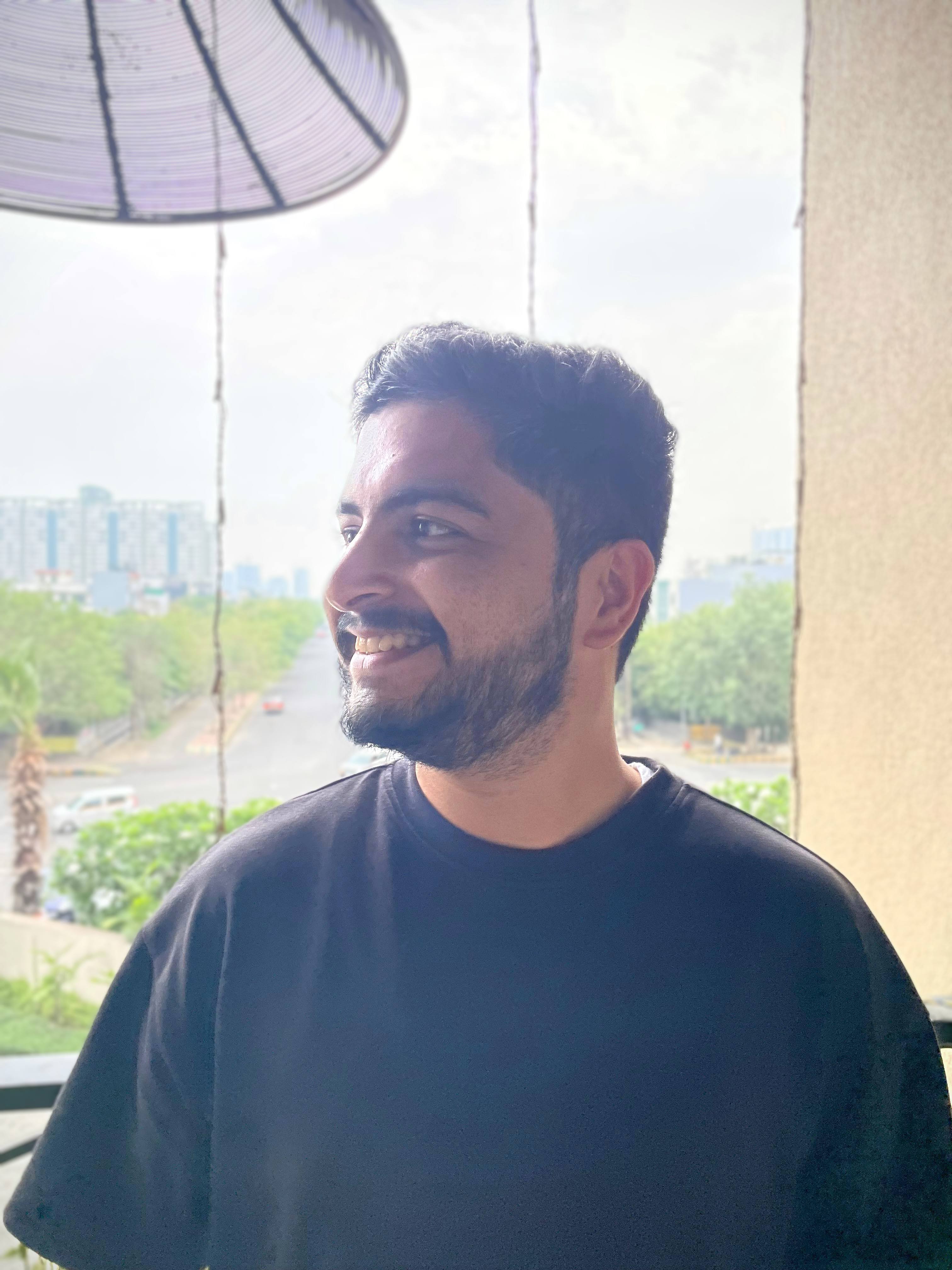
Co-Founder Chevaun
Anubhav is 3x Author and the co-founder of Chevaun, where he help experts go from “I have an idea…” to a fully published book on Amazon (under 7 weeks)
He’s also a story-strategist who partners with leaders and founders to bring their books to life with precision and heart. He specializes in voice-first writing, helping authors articulate their frameworks, journeys, and philosophies without losing the truth of their tone.