Ep25 Dominique Debroux—Wise Women, the Evolutionary Story Menopause Deserves, and the Voice Inside That Already Knew
What if the story medicine told women about menopause, that we're simply outliving our fertility, was never the real story?
Dr. Sandra Dreisbach and Dominique Debroux, documentary producer and nutritional chef behind Wise Women: Humanity's Untold Origins, trace that question through millions of years of human evolution. Through years of research with evolutionary scientists and anthropologists, Dominique and her filmmaker husband found that postmenopausal women predate Homo sapiens. They organized early human society. They are part of why our brains grew into what they are today. The menopausal transition is the point at which women grow into their wisdom and leadership. The science was there all along.
This episode moves through the personal histories that gave that science texture. Dominique traces her path from the fashion industry, where a system she believed in turned out to profit from women's sense of inadequacy, through cervical cancer in her early twenties that pointed her toward food as medicine, to becoming a nutritional chef who designs comfort around nourishment rather than restriction. She talks about the dread that marked her own perimenopause, the sense of falling off a cliff of relevance, and how understanding the evolutionary story of what her body was doing changed that entirely. She talks about the hot flashes that came when she bit her tongue and what shifted when she started saying what she'd been holding back.
Sandra and Dominique also go into what it means for women to stop making themselves smaller; how the body communicates what it needs through symptoms we've been taught to silence; and why a woman's value was never stored in her fertile years.
What does it feel like to have the receipts for what your inner voice has been saying? What changes when the dread of a transition turns into understanding of it?
If this season of life is on your mind, or someone you love is in the middle of it, this episode is worth your full attention.
______________________________
**Disclaimer** The information shared on this podcast, our website, and other platforms may be triggering for some viewers and readers and is for informational, educational, and entertainment purposes only. It is not a substitute for professional medical, legal, or therapeutic advice. While we explore topics related to altered states of consciousness, we do not endorse or encourage illegal activities or substance use. Always research your local laws and consult qualified professionals for guidance. The content provided is "as is," and we are not liable for any actions taken based on the information shared. Stay supported and informed, act responsibly, and enjoy the podcast!
Dominique Debroux 0:00
You can create any which way, not necessarily creating a baby. It's just so sad that we are pushed into this belief that our fertility is the key to our importance, and if we don't use it a certain way, we're somehow less than.
Dr. Sandra Dreisbach 0:20
Welcome to Inner Source. I'm Dr. Sandra Dreisbach. Whether you're just beginning to explore your inner landscape or you've been doing this work for years and understand that transformation is a lifelong journey, this is your space. We're diving into real conversations about personal growth, shadow work, and what it actually takes to create lasting change from the inside out. Because the truth, your most powerful healing tool, isn't out there somewhere, it's already within you. Let's connect to that inner source together.
Speaker 1 0:57
The information shared on this podcast, our website, and other platforms may be triggering for some viewers and readers, and is for informational, educational, and entertainment purposes only. It is not a substitute for professional medical, legal, or therapeutic advice. While we explore topics related to altered states of consciousness, we do not endorse or encourage illegal activities or substance use. Always research your local laws and consult qualified professionals for guidance. The content provided is as is, and we are not liable for any actions taken based on the information shared. Stay supported and informed, act responsibly, and enjoy the podcast.
Dr. Sandra Dreisbach 1:28
In this episode of Inner Source, I have the opportunity to talk with Dominique Debro, and she is a producer, entrepreneur, and nutritional chef, whose work bridges be not just storytelling in the documentary itself, but also science and women's empowerment. She produced 40 weeks and the new documentary that we talk about extensively in this particular episode, called Wise Women: Humanities Untold or origins. She reframes menopause in this documentary as the evolutionary foundation of female leadership, which is really fascinating, at least in terms of a theory. So, regardless of where you stand on these issues, it's at least, you know opens up possibilities that you may not have considered before, even if you don't get a chance to watch the documentary, you'll get pieces of the key ideas here in this podcast, but definitely check it out, but through her film, her food ventures, and advocacy, she champions women's vitality and visibility in midlife and beyond, and as a woman who is in midlife, who is menopausal, I definitely really embrace uplifting stories like these that shift our perspective and open ourselves up to new perspective of women in leadership of understanding menopause and ourselves in different ways, and I mean everyone. I don't mean just women or people who identify as women, I mean all of us, right? Because how we choose to understand gender or our own identities or transitions in life, and really it's a transformative experience for everyone who is in a woman's life, and it changes society. We are noticing more as we recognize women's power more, that we are shifting and respecting the nurturing aspects of the masculine, and also better able to embrace all aspects of ourselves, no matter how you identify. So, I hope you enjoy this episode with myself and Dominique talking about wise women, her work as a nutritionist, and beyond. Well, welcome, Dominique, to Intersource Podcast. I'm so grateful to have you. I'm always happy to have all my guests, but guess it's the benefit of choosing. But I'm really excited, in particular, because we're going to be talking about your documentary that you helped to produce, and you're also featured on Around Menopause, called Wise Women. But before we get into it. I just want you to have a chance to talk a little bit about you, because even though we're talking about the film and things like that, you know, you're also focused a lot on nutrition. You have your own nutritional products. Like, tell me a little bit about about you as a person. Like, what's what's your journey been like? How did you come into all this? How did you end up doing nutrition into all this, and then into the documentary?
Dominique Debroux 4:46
So, to kind of speed through, because I'm at this point 60, so I've had a good long journey already. And
Dr. Sandra Dreisbach 4:57
beginning, I don't know what you're talking about,
Dominique Debroux 4:59
you're right. Exactly, so I started in fashion, mostly because I had a business head and I wanted to go into something that was creative and artistic, so I went into fashion, and I did quite well and got to the point of running the US Division of European Fashion Brands about 11 years ago, and it started a little bit before I was really seeing the ageism in fashion, and I had also already kind of the veil of lies had lifted off my eyes. I had really gotten into fashion, because to me it was what the French say they call it a minor art, like major arts are painting and sculpture, and minor arts are any kind of arts that we use, like architecture, design, fashion, right, and that's the way I saw it, but after the years of being in fashion, what I realized is that unfortunately the business of fashion runs on convincing women they are not enough, right. How do you get a woman to buy again and again and again in big ways, right? Because, of course, we're always going to want to buy something that we like, that we think is pretty, that is a piece of art that we wear, but we're going to be careful about how much we're going to buy each season, but if we are convinced we are not tall enough, skinny enough, buxom enough, whatever, something enough, we need to like, oh well, if I buy more of this, maybe I'll be enough, and that's really what I had seen being in the world of fashion, and it really hurt, and then, like, women 45 and older really get mistreated, even though it's the women that are like from 40 to 60 that keep the fashion world going, because that's when they start having the disposable income, they're not paying as much for their kids, and etc. They have something to spend, so even though those are the key women that are keeping everything going, those women, in terms of the executives, are like, no, you're done now, you're somehow not young enough to understand, and that's when I started looking at my life and going, what am I actually doing, and is this really my passion? So, what I saw is that my passion had always been food. In my early 20s, I had a cervical cancer that ended up coming back and came back in a different way, and basically my choice was a really full and extreme hysterectomy, or take a look at Western and Eastern medicine together and see if that would work, and it ended up working, and that's what really taught me that food therapy, supplements, herbology, psychotherapy, biofeedback therapy, all of those things will help heal you just as much as the medications, and sometimes even more. The medications are there, yeah, the medications are there more because of the wow, you know, let's get something done right away. The extreme sense of it, everything else will heal you, and so from that my love of food became my therapy, and that's where I always went to feel better, you know, at any moment that I had.
Dr. Sandra Dreisbach 9:15
And I want to almost stop you right there, just to be able to say, like, wow, that's just an amazing journey in and of itself. I mean, to be a part of an industry that you felt embraced lack and an inadequacy, and, and I'm not saying that the fashion industry isn't changing and shifting and pivoting, but then to connect to what you really love and to find real literal nurturing and nourishment, not just from connecting to what you love, but from nutrition, from actually looking at what really is nourishing and supporting the body. I mean, you're really still working in the body, right? You know the visage, you know, right? Or fast factor depesh mode, what. Ever you know you're you're literally putting on from the inside out what what actually fuels the soul and and and I know you have your own product line stuff and maybe you could talk a little bit about what are some of the gems of wisdom that that you've learned about in terms of the nourishing part, what that what were you taught before and how did your mindset shift around nutrition.
Dominique Debroux 10:24
The few gems of wisdom for me is that in order to eat well as a lifestyle, and not, you know, when I was going through my difficult health journeys, if they told me to eat cardboard for nine months, I would, because it's that, or you're dying, or losing a major part of yourself, right? But a lifestyle of eating well means that you have to love what you're eating, and not just the taste of it, it has to feed that comfort zone piece of you, and so that's where I became a nutritional chef, that's what I call myself, because the thing that's most important to me is not just how are we going to fill your world with nutrition, how are we going to mesh that with the things that make you happy, the foods that give you comfort, and so it's that in combination with the fact that what we were eating as a kid or at certain times in our lives may not work for us anymore, so I am now, I would say, like, 60% plant-based, and it's not an emotional choice for me. My body still needs a certain amount of meats, fish, etc. but there are certain things that don't work for my body anymore that I used to love. So those are the two things that you really have to understand what works best for your body, and then you have to fill your life with foods and recipes and dishes that that make you feel happy, and that's how I can help,
Dr. Sandra Dreisbach 12:22
and now one of the things I like about that, and or love about it, is the fact that you're listening to the wisdom of the body, like you're listening to yourself, you're listening to what feels good for you. It's not based, you know, purely on something external, it's like, you know, you eat that thing, how do you feel? Like you have that fried food, you feel weighted and slower, you have that other, you know, like let's say a process product. I'm not making any judgment calls here, because I've, you know, but, but, but, like, you know, maybe you feel more bloated or too much, so you know, like that, you're like, but also the fact that, you know, because I know we're going to be talking about menopause, because, like, I also have noticed that, you know, I'm 52 and, and I'm, and I am, you know, I mean, I don't even think it's menopause anymore. I've menopaused, and and I noticed how my body is different, how it's shifted, and how even what my body needs or is interested in, or what, what, what the effect is has definitely pivoted. So, for you, you're a nutritional chef, so how do you define a nutritional chef? It's someone who helps them cultivate that relationship of what feels good. It's not just the food, it's also well-being.
Dominique Debroux 13:34
Yeah, it's the difference between a chef you just expect from a chef that you're just going to have wonderful, yummy dishes. Right? What I do is I take a look at what is it that you need the most. Right, what is the nutrition that is best for you? What are the nutrients that are most important for you? What is the macro balance, you know, between protein, fats, carbs, fiber, etc. that you need, and I create the recipe and the dish around that, and so, like, for instance, the, the example that I use most commonly, because everyone understands it, is what if your absolute favorite food, or you know, the food that you go to for comfort is mac and cheese, but all of a sudden dairy just does not work for you anymore, either because you've gone through something, or you've just realized when you were younger your body could at least deal with it, but it's never been good for you, right? So my job is to create a rocking vegan mac and cheese for you that's also maybe it's higher in protein, maybe we have to do it gluten free as well, and so I put all of those things into it and come up with your comfort food in a way. That is nutritionally for you,
Dr. Sandra Dreisbach 15:03
that's really powerful, and, and I bet you know it's not just for like those sort of things. I bet, given your experience with different medical issues, I bet there are certain medical needs that you're also sometimes compensating for or adjusting for.
Dominique Debroux 15:16
Yeah, absolutely, because sometimes people's nutritional needs change because of health issues or because they need to get well, right? So it depends. Sometimes it's that more extreme set, and sometimes it's what am I going to do long term for my health and well-being. And I want to add one other thing that I've learned, don't ever diet for weight loss, don't ever think about weight loss, and
Dr. Sandra Dreisbach 15:51
with you on that,
Dominique Debroux 15:52
yeah, and women are traumatized and gaslit from a very early age to be smaller and to be smaller in every way, physically, to have a smaller voice, to not have the emotions come out, just make yourself smaller, right, small and nice, and so many of us have at some point in our life or throughout our life under eight, and to me, what is most important is that your nutrient needs are covered in the best way, and you're doing the healthy thing, you will then balance out to the weight that is right for your body, which is going to be completely different for you, for me, for my daughter, for women over here, you know, that woman on the street over there. We are all so different, and we have to start understanding that, and women are curvy, so we're not supposed to be like men with a little bit of curve. No, there are some of us that are quite wow, and some of us that are tall and slim, and short and slim, and you know all sorts of..
Dr. Sandra Dreisbach 17:14
no, I told, as a curvy woman, I definitely resemble this remark well, and also, even as a menopausal one, like, I didn't realize that it was normal for women to gain like 20 pounds, you know. All sudden, I'm like, oh wait, I'm doing the same things, I'm eating the same things, and I'm gaining a whole bunch of weight, and, and like, there's judgment that automatically comes with that, or what you're saying, like, you know, just growing up, I've always had a, I mean, not just curvy, but like more athletic, more muscular, whatever, whatever you want to say about that, and noticing, and you end up, it can't help but end up comparing at some point, especially when our culture encourages it in the West, and I'm like, I'd be in a dance class, like literally I'm in a dance class, and I'd be the one who's like looking differently or fitting differently in the clothes, not because I wasn't exercising or wasn't eating well, it was literally because I just had a different body type, and yet you get, you end up getting shamed because you just literally have a different body,
Dominique Debroux 18:18
yeah, exactly, and so you bring up about weight in menopause, and I love that, because
Dr. Sandra Dreisbach 18:27
just
Dominique Debroux 18:28
lately, in the last five years, research has come out that a certain amount of weight gain in menopause is not only normal, but it's healthier, and so many things, because one of the things is you've got a little bit extra weight. First of all, you should be exercising for strength pre menopause, but also most importantly, post menopause, right part of having extra weight is you are putting a bit more weight and challenge on your muscles and your bones, and what happens, your muscles and your bones grow rather than deplete, right, which is can be a problem post menopause, so really the latest studies are one and a half to two pounds a year in your perimenopause to menopause journey is normal, and most of us have about 10 years of that. Yeah, right
Dr. Sandra Dreisbach 19:38
ahead, 10 years. Yeah,
Dr. Sandra Dreisbach 19:39
yeah,
Dr. Sandra Dreisbach 19:40
I can go into the menopause thing. Maybe we should go to menopause. Let's go to pods. Menopause is here. She's entered the building, so let's talk about wise women. Let's talk about about the film, and, and, and how did you get involved in this wise woman film around menopause? And maybe we should just at least have you at least highlight like. What is wise women about?
Dominique Debroux 20:02
Okay, so wise women humanity's untold origins is a women's empowerment and women's leadership film told through the evolutionary history of menopause, and it came about because I started going through perimenopause, and this was 11 years ago, and if you remember, it wasn't being talked about like it is now, and there wasn't as much information, so my husband is a documentary filmmaker, and he had just gotten hired to interview menopause doctors, specifically like the heads of NAMS North American Menopause Society, which has now become just Menopause Society, and so I was like, please ask questions, you know, after you're done asking whatever you're supposed to, can you just ask some questions for me, and we thought, How great, I'm gonna have the inside info. First of all, it was really not fulfilling. They really didn't have a lot of info, but the other thing was angering, because medicine thought menopause was like a modern mistake. We're now outliving
Dr. Sandra Dreisbach 21:18
a
Dominique Debroux 21:19
mistake. Yeah, exactly. We're now outliving our fertility because we just live longer, right? That didn't sound right to us. So it sent us on this long years of research looking at, so where does menopause come from? And we talked to anthropologists, bio evolutionary evolutionary biologists, geneticists, all sorts of scientists and thought leaders, and what we actually discovered, and not discovered like we were doing digs, but no, discovered the science is right there, that menopause was an evolutionary adaptation that happened before we were even Homo sapiens, and those postmenopausal women helped us organize society and helped our brains grow to become the Homo sapiens that we are, so without post-menopausal women, we wouldn't be the humans that we are, and what that means is that the menopausal transition is the time that women grow into their wisdom and leadership part of life,
Dr. Sandra Dreisbach 22:42
and I love that for many reasons. First of all, just, just the sort of myth debunking of it, as an ethicist myself, you know, just just having the right facts can be so empowering, and, and when there is a sort of, like, you know, at least in predominant Western culture, a tradition of not honoring this part of women's lives, but then also bringing in facts that were already there that we weren't being educated upon, but as someone who deeply appreciates a lot of, you know, traditions that a lot of the traditions honor this face, right, that you know, you're I joke, I joke sometimes I'll say, like, well, I'm entering my elder era, right? And I remember talking to this young woman still, then she's like, well, no one says that, and I'm like, well, maybe they should, you know, right? Why not? Why not? You know, we don't have traditions of ceremony in the West, where we're honoring that transition, we have baby showers, we have weddings, you know, and I'm not saying that we're doing the best in all of our transitions in life either, but certainly, you know, like there's there's more of this movement, at least I've seen, towards like honoring, you know, entering crone or entering that wise woman timeframe, and part of what your documentary brings forth is this idea, not just that we need to reclaim that and have that, but also recognizing historically the role women have, you know, or have had and continue to have. So, when you think of the title wise women, what does that mean to you? It is the fact that when we go through the menopause transition
Dominique Debroux 24:30
and we let go of the ups and downs of the hormones that we need for our fertility, our brain actually reorganizes itself much like if you go through pregnancy and you have pregnancy brain and your brain is kind of like, oh, she's going to be a mother, I got to reorganize it, same thing reorganizes itself for more focused decision making, it takes the. The kind of hold on our tongue, so that we're able to just say whatever it is that we're feeling, we're thinking, and it also happens at a time when you've lived a life and you have experiences and you have knowledge and you've tested out that knowledge, so to me wise women is both something that we can be at any time in our life, and then as we grow, as we age, we can really mature into that. A lot of wisdom in that. Yeah, exactly, exactly. Don't resist, and, and in the film we go into the fact that wise women were celebrated for much of our history, and I'm talking millions of years, right, and then it was really 10,000 about 10,000 years ago, that a misunderstanding by us humans, both both male and female about reproductive consciousness brought on the beginning of patriarchy, and what we have to look at now is that that's not really a natural way to be. Patriarchy is a system that takes in one style of brain happening and doesn't look at all of the community, right. So we really have to see how our society is organized now and realize that maybe we need to make some changes.
Dr. Sandra Dreisbach 26:39
I'm not going to argue against making some changes, and to be less patriarch, I'm definitely not what I mean, but there are other traditions that have maintained it, right? You know, there are matriarchal systems, and I'm not saying you're arguing for a matriarchal system, but also ones that kind of have more of that sense of balance of the feminine and masculine through the journey of my daughter of going through transition as a transgender woman and using hormones, like I remember for myself, like thinking, like, well, what does it really mean to be a woman, like when menopausal women would be like saying, oh, you should be on hormones, and we don't have to go into the whole hormone thing right now, but I'm like, gosh, you know, like the hormones that she is taking for for identity are totally different than you know are the same one same patches same whatever that I that I would be asked to take if I was to correct it or to get some sort of extension on on life and and brings up questions of like well what does it mean to be a woman in our society, what, what things haven't we supported well in identities, and we don't have to go into the whole gender discussion either, but, but you know, through the journey of your, your film, obviously you've gained a lot of wisdom and the experience, and talking to these different people, what, what was, what was one of the, some of the bigger takeaways that you got from the experience of doing the film?
Dominique Debroux 28:08
Two main takeaways. First of all, so, and I will actually bring in the hormone discussion for a moment, that unfortunately hormone therapy doesn't work for me for a couple of physical reasons, and I won't go deeply into it. For me, you'd think here I was looking for symptomatic help right at the time that we started the film, so finding out the science, how was that going to help me? Well, it totally did, because one of the things that I was going through in the transition of perimenopause into menopause is the dread, right, this dread that I was falling off a cliff of relevance, of importance, of visibility, and when I realize that actually that is a modern, that is the modern mistake, that is the societal mistake that we are told that, and that actually I am going into the super important transition, which puts me into the super important phase of life, that celebration, all of a sudden, I thought to myself, okay, if that's happening, maybe my symptoms are there to give me a lesson, right? And I started seeing that my hot flashes would come when I was biting my tongue, or when I was holding back some sort of emotion that women aren't supposed to express, and so I just started letting things go, like saying what I wanted to say.
Dr. Sandra Dreisbach 29:50
I'm obviously an advocate for speaking your truth. I said we're literally on a podcast right now, you know, but, but I also, you know, I also understand, because, like, when I, when I knew I. Was in perimenopause and going into menopause, like you know, as it was beginning, and, and immediately it's like, well, like, I don't know, I don't have good examples, my, my mom certainly didn't talk about her transition with me, I remember asking about when did you go into transition, after I'm like, literally experiencing it, I'm, you know, like, like you're like this shown in the film, like you know, people are getting from their peers more information than they're getting taught. Even medical doctors don't necessarily have the amount of training around menopause, actually also nutrition, for what it's worth. This is, we mentioned nutrition as well, but for me, I ended up deciding not to do hormones, and, and I guess I've gotten into more of a mindset of listening to body rhythms and listen to what my body needs, and, and, and similarly, when I started having, like, little, you know, different symptoms, I realized it was something that I was needing to listen to in my body, sometimes it was like nutrition, and I appreciate that you say is like speaking your truth made a difference, and that put you in better alignment.
Dominique Debroux 31:05
Absolutely, absolutely. And look, also the hormone studies show that yes, hormones can bring down your risk of heart disease, bone loss, and dementia. It doesn't completely take them away, however, there are lifestyle changes that can dramatically reduce those risks, right? And that's really important, like you're not usually given that information at the same time. Another symptom that I've dealt with, and sometimes in small, like right now, since there's so much pollen in the air, I have more inflammation, so I have joint pain, right? But through the beginning of perimenopause, bad joint pain, physical pain, I took a look at what do I need to change in nutrition and the way I move,
Dr. Sandra Dreisbach 32:00
and that changed my joint pain, and then when there's moments that it comes back, I go, okay, why is it back, and I realized, oh yeah, that's right, it's spring, and it's gone crazy out there, so I do whatever is going to be anti-inflammatory, and it goes away again, right? So your body is your best friend if you listen to it. No, I think I think that's true. I mean, coming out of like a lot of the psychedelic and trauma-informed space, you know, there's a vessel vendor folk has this sort of the body keeps score sort of thing, and I think more and more people are willing to listen to what their body is trying to teach them, you know, the rise in somatic therapies, you know, maybe hopefully more nutritional chefs like yourself, but, but also realizing, you know, rediscovering, I guess I should say, the sort of inner wisdom that that we all possess, and and I really like the story about inflammation, right now. I really, you know, like I definitely have inflammation that can come up and fall, and I know that the same sort of thing, you know, like, okay, my body is more inflammatory right now, right? I need to tend to it more, and you know, support it, or noticing what influx or even that mindset shift that you're mentioning, like you're even looking at what you eat or what you're doing differently, which I think already is is is huge, because I realized, like, maybe it was early perimenopause, like I had a little bit of ankle swelling type of thing, didn't have any of that in pregnancy or anything like that, but then my mind went to, oh, I should be moving more, because it's a circulation thing, right? You know, or checking on inflammatory foods, and like, okay, maybe I need to shift this, and that already is, is such a huge shift to also in an empowering shift, right, to let you listen to your body, you pay attention to, you give it what it needs, you don't, and it's not saying that you know no judgment if you have to go to hormones or you need to have prescriptions or something like that, but that shouldn't be our first move, you know,
Dr. Sandra Dreisbach 34:13
or or not
Dr. Sandra Dreisbach 34:15
our only move, or not our only move, at least not our only
Dominique Debroux 34:18
move, right, exactly, because look, the the hormone thing, if it helps you, yes, but the whole idea is like the way an anti-anxiety medicine is meant to help, it's not meant to take away the problem forever, it's meant to put you in a space where you can be focused and calm enough to put the right habits into your life, right, and yes, for some people certain medications are for life, right, if you're born with a certain type of diet. Diabetes, you're on insulin your whole life.
Dr. Sandra Dreisbach 35:03
Yeah,
Dominique Debroux 35:03
there are certain, you know,
Dr. Sandra Dreisbach 35:09
yeah, yeah.
Dominique Debroux 35:10
But for a lot of us, medication should be used to take us off the ledge and then give us some focus, so that we can find the right lifestyle patterns, nutritional patterns, movement patterns, sleep patterns that really keep us on the healthy path.
Dr. Sandra Dreisbach 35:31
Now, getting back to the documentary, what impact have you seen the documentary have to people or women or anyone in particular after having viewed it. What is some of the influence you feel like it's had on people?
Dominique Debroux 35:51
I think the biggest thing is permission, and it's, it's sad to say that we still need permission in a way, but I think we've been brought up in such a culture that we're so like we're afraid to do something that's wrong, right, and the permission is that most of the women that have watched the film, or that I've told about the film, are not surprised that this is the science they've known it on the inside, but it's so great to have the receipts to go see it's not just how I
Dr. Sandra Dreisbach 36:37
was, your
Dr. Sandra Dreisbach 36:37
confirmation, I'm not crazy. It's not the hormones I have evidence now. Look at this documentary here. Watch this and talk later.
Dominique Debroux 36:48
Exactly that inner voice that has told us that we are important post 45 post 50, post 60, and we may even be more important than in our fertility, so that inner voice gets like checked, like yes, here's your receipts to that, and that allows women to all of a sudden, okay, you know what, I always wanted to do this, I want to say this, I, and that's what it is, it's the permission to be who they've been listening, hearing from inside they can be.
Dr. Sandra Dreisbach 37:28
I think that's beautiful and incredibly powerful, especially given the journey arc of the film, and I know I know everyone watch this won't necessarily have seen it yet, but and definitely recommend watching, I know that should be a surprise at this point, but, but the sense of, of having menopause be, and women in that, in that older phase, you know, or that elder or crone phase be devalued, like you're, or only having your value limited as women to your reproductivity, you know, you're either preparing for being reproductive. I remember this part in the film was talking about, like, well, I got, I got prep around, you know, preventing pregnancy, but not, not in being pregnant, and then certainly not in, in, in going into menopause, right. Also, as further you get, the less and less support we were experiencing, where in reality that women's value is not limited to whether they can reproduce or not, and what I part of what I love, at least, about wise women is is embracing and re-empowering women to see beyond their own fertility as the basis of their value, and to see all the wisdom and all of their, their whole entire journey, and transform and transmute
Dominique Debroux 39:00
menopause as an empowering and a joy-filled place to end, yeah, and empower deep choice. Right, I've talked to so many.. well, there's a bunch of my friends who chose not to have kids, and I've talked to so many women who either could not, and became okay with that, or just chose not to from very early on, and that is a choice that doesn't make them any less reproductive, right? The second chakra is at our womb area, and it's the chakra of creativity, you can create any which way, not necessarily creating a baby, and it's just, it's just so sad that we are pushed into this belief that our fertility is our the key to. Our importance, and if we don't use it a certain way, we're somehow less than that's just wrong.
Dr. Sandra Dreisbach 40:08
I agree with you. I mean, I've had friends who've consciously made that choice, some of whom even had abortions to prevent that from happening. It wasn't because they couldn't, it was a very conscious choice, and and the fact that it becomes a judgment whether you decide to get partnered, or whether you have multiple partners, or whether you have babies, or whether you or adopt someone else's babies, or whatever the journey is in life, that I love that message that you're sharing, that you have value, you shouldn't be ashamed of your choices. You can create and be productive and valuable, and, and, and the same goes for men, for what it's worth, right? You know, like you're not limited to being seen as a provider, because, like, I think these any sort of limiting belief like this limits anyone you know, whether you identify as a male or female or a gender fluid, or whatever, whatever your identity is, that it ends up creating constructs for all of us. And now it was a husband and wife sort of journey, and we haven't talked, maybe enough about your husband in this, because, but since I'm bringing up both, both of the dynamic, and any, and he talks about part of his experience in the film, while, and introduces, and begins the film, even talking about his experience with you. How has this changed your relationship by doing this film together, talking about menopause?
Dominique Debroux 41:38
Oh my god, it's been, it's been beautiful. So first of all, I inspired him going into this journey, and I was there as a producer, like talking things over, et cetera, but let's be clear that he was the genius behind this, and he truly is a genius filmmaker, because of how he seeks out people and how he interviews these scientists, really getting deep into how they think and what they're thinking and their opinions on it, not just the science. What this has done for us. The biggest thing is me realizing how much of the gas-lit decisions I still had on me. Right, I've always been a strong woman. Part of the reason why I can't take hormone therapy is I'm a testosterone-forward female. I had never heard that before until my OB-GYN told me.
Dr. Sandra Dreisbach 42:46
I probably could document that at some point, but
Dominique Debroux 42:48
exactly, exactly, it basically, it basically means that at the time when I tried hormone therapy, my body was taking the estrogen from the patch and actually creating it, like turning it into testosterone for some reason, and I could have just gone down through years of trying different things, but I was like, you know what, just gonna let my body be, but so in that way I've always been strong, so I went into this thinking, yeah, especially because there I was changing my whole life to, you know, taking decisions, etc. Through the process of making the film, I actually realized how many things I had internalized so deeply that I was walking the path I'd been told and trained to walk, right, and as I started taking those veils off of myself, I started saying things to Chris that I hadn't said throughout our entire marriage, and we've been together now. What is it, 36 years, 37 So it's been a while, and so you know I even said something to him last night that I had been too afraid to say, and I didn't say it in a very kind way, so we had a conversation about that. What he found in this movie is he said what you said is not was not kind, and I'm going to have to process that, but I understand now watching this and understanding all of the gaslighting and what patriarchy can do, etc. That you just needed to get it out, and it wasn't the best way, but if we can talk about, you know, and we kind of got deeper into it, so I could apologize about the, the, the part that was just, you know, that sort of thing, and so that's what it's done, it's. Opened up communications that were just buried deep.
Dr. Sandra Dreisbach 45:07
That's really powerful. I mean, that I mean, some may even criticize, like, well, how could a man, you know, right, like be able to speak to these issues, but it wasn't just him, and also it's a partnership, and not that you can't, you know, he can't defend himself or whatever, but like, but I love the fact that if we are trying to achieve greater balance and greater wisdom, and in relationship, and it affects all of us, and especially in a partnership, a long 36 year marriage, to hear that going through that journey intimately together, even with him, you know, leading some of the interviews, etc. that it actually brought you closer, that you're able to share more honestly with one another, even when it's uncomfortable or difficult, that you're not running away from those conversations, you're leaning into those conversations, and, and literally having your voice right, like you're you're voicing things that you weren't voicing before. I mean, I just want to praise you for that alone, let alone the fact that clearly your movie is going to give voice for a lot of women and a lot of couples and a lot of, you know, people who struggle with these issues and want to know more and want to understand more, and even when you're going to a medical professional, someone that you think they're going to be the one who's giving you the wisdom, when really maybe the wisdom is coming from within, maybe it's coming from a friend, maybe it's coming from a documentary like this
Dr. Sandra Dreisbach 46:45
one. Yeah, yeah.
Dr. Sandra Dreisbach 46:46
So, as we wrap up, I'm curious, you know, what, what is inspiring you now going forward as, as a wise woman yourself? I know, obviously, you know, you're, you're advocating for the film, you're still a nutritional chef. What, what are you looking forward to creating?
Dominique Debroux 47:07
I'm looking forward to unleashing everyone's voice,
Dr. Sandra Dreisbach 47:13
so unleashing, oh yeah, unleashing everyone's voice. Let's go, okay.
Dominique Debroux 47:18
And on that, I want to bring in the gender conversation, because this is a film about cisgender women menopause, right, but not to be limited to that, it's, it's sort of like we need to take the lid off and the understanding off of how we've been treating elder women to begin with, right, and so here it just happens to be through the evolutionary history of menopause and that science, but the idea is to bring to show how we've been in an imbalance and we need to bring all the voices to the table and really lead from what the community needs, and that's that's what I want to do with this film and beyond.
Dr. Sandra Dreisbach 48:17
I love that, and that's all of us. So, if you're listening, you're part of the community, so you better speak up, but, but what advice would you give someone like someone who you know, you know, is curious about this work, or curious about exploring within further, or listening, or speaking up? Maybe, maybe we should just talk about speaking up, because clearly you've given greater voice to yourself, and greater, and you want to empower more voices. What advice would you give someone who wants to speak up, or who wants to empower themselves, or or to build community around this?
Dominique Debroux 48:52
The biggest thing is, don't be afraid to look at what isn't working in your life, and it could be some health issue, some way that you feel when you eat, it could be a relationship, it could be the work that you're doing. Take a look at what doesn't work and take steps to change that, and sometimes it could just be speaking up. Sometimes you might have to walk out, sometimes you might have to put your favorite food away, and then you can call me.
Dr. Sandra Dreisbach 49:31
Speak up,
Dr. Sandra Dreisbach 49:33
I'll remake it for you in a way that works for you.
Dr. Sandra Dreisbach 49:37
No, I think that's that's a great message. I think that's a great message. I mean, really, really listening to your, to how you feel, and, and at least listening to that voice within you, and that alone gives it voice, and then sharing it, and heeding it, and you know, maybe you need to cut that person out, maybe. Be maybe a food out, I'm willing to be flexible. Well, well, thank you so much, Dominique. It's been a true joy to have this conversation with you, and I hope more people are willing to speak up, share their voice, have their voice empowered, not be afraid of menopause, celebrate it. Yeah, let's celebrate it. Yeah, like, and here we are, two menopausal women celebrating and speaking up. So, so that's that. That alone should be a win for us both. So, thank you again, Dominique.
Dominique Debroux 50:36
Thank you, Sandra. Thank you so much for this.
Dr. Sandra Dreisbach 50:39
Thanks for being here with me today. If this resonated with you, subscribe wherever you listen, and share it with someone else on their journey. And if you're ready to go deeper, take the free Inner Source Assessment at Inner Source podcast.com It'll help you discover exactly what kind of inner work you need right now and where to start. Until next time, remember that everything you're searching for is already within you, you.
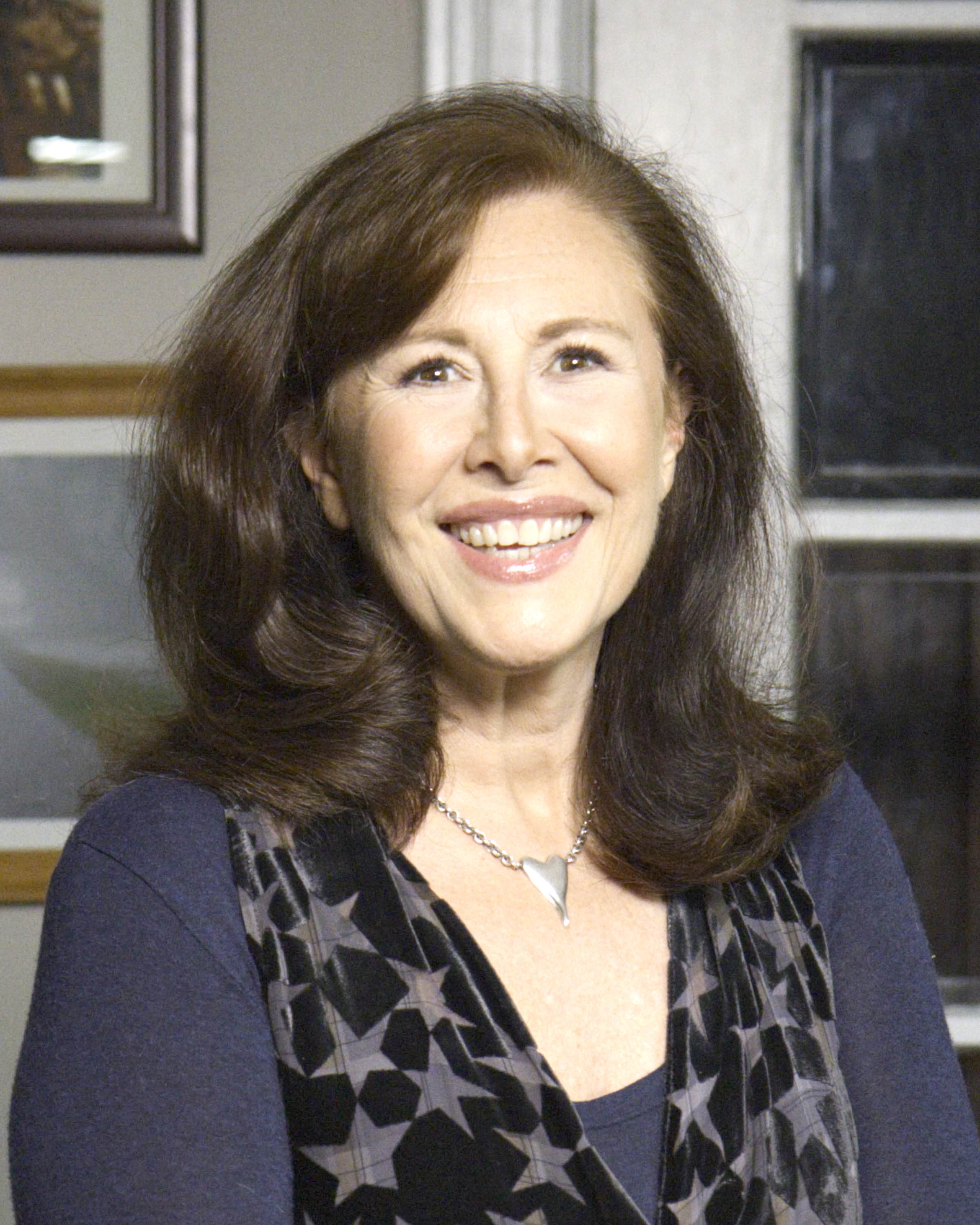
Producer & Nutritional Chef
Dominique Debroux is a producer, entrepreneur, and nutritional chef whose work bridges storytelling, science, and women’s empowerment. She produced 40 Weeks and the new documentary Wise Women – Humanity’s Untold Origins, reframing menopause as the evolutionary foundation of female leadership. Through her film, food ventures, and advocacy, she champions women’s vitality and visibility in midlife and beyond.